Model Railroad Layout Ideas for Small Spaces

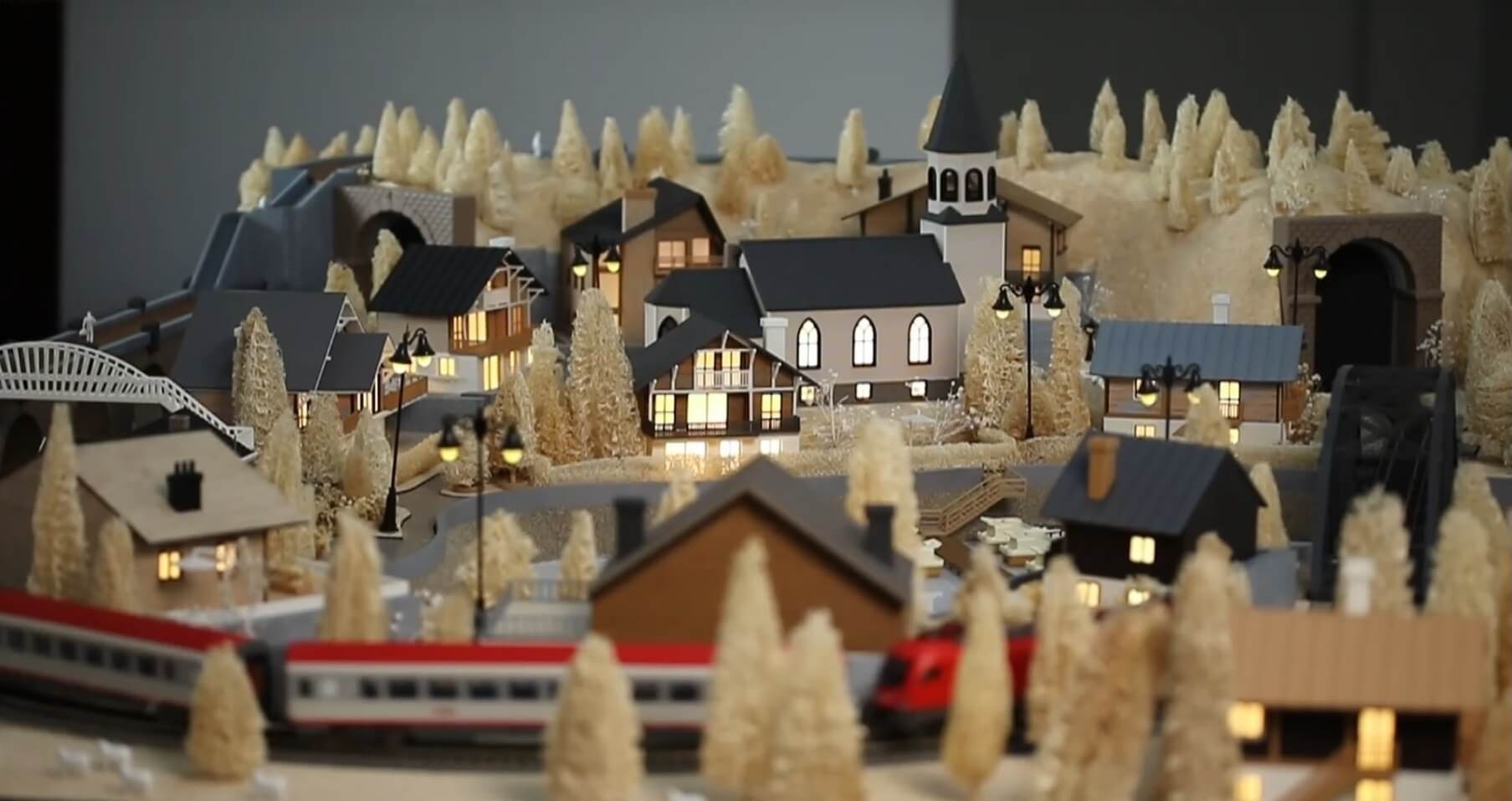
Having limited space doesn’t mean you have to compromise on your model railroad ambitions. With thoughtful planning and a creative approach, even a small shelf, spare corner, or compact tabletop can become the foundation for a realistic and engaging miniature railway.
The secret is to focus on what makes a layout interesting rather than simply trying to fit as much track as possible into the available area. A carefully designed small railroad can feature convincing scenery, detailed buildings, realistic train operations, and memorable miniature landscapes without requiring an entire room.
Whether you’re building your first layout or looking for inspiration for your next project, these ideas will help you make the most of every inch.
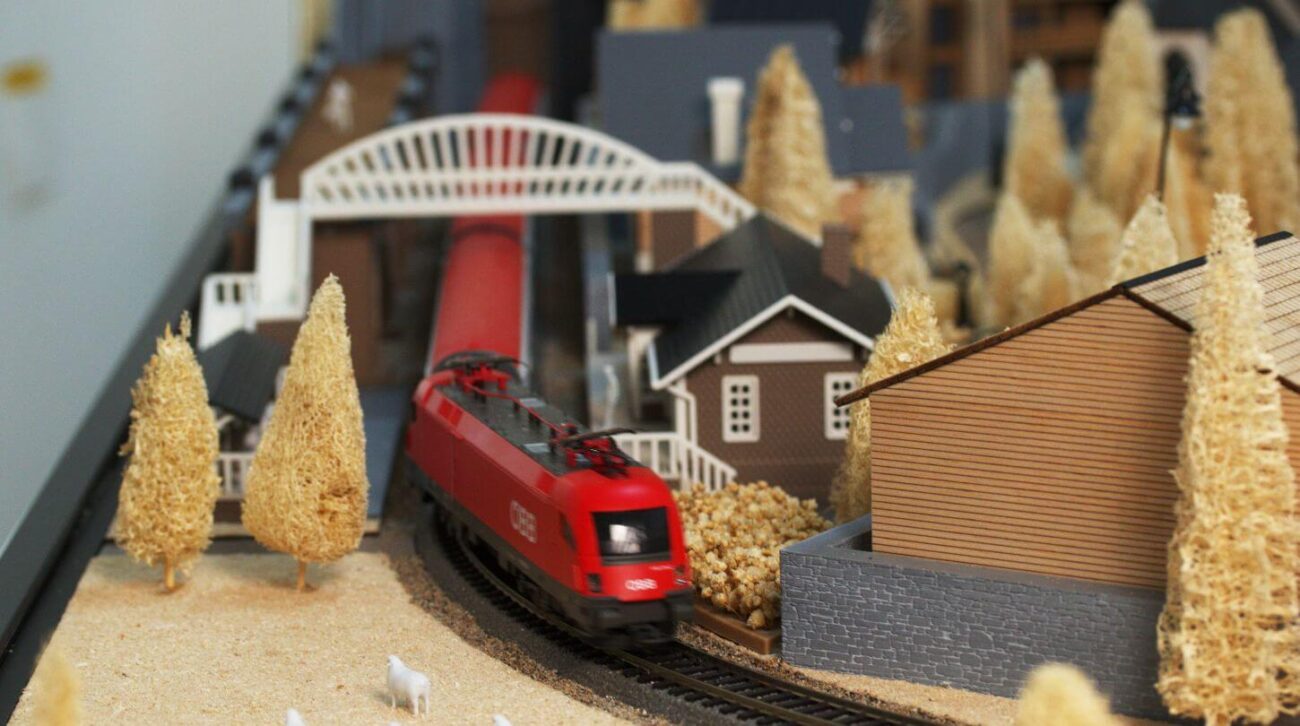
Shelf layouts: Small space, big possibilities
A shelf layout is one of the most practical solutions for model railroad enthusiasts working with limited space. Built along a wall, above a desk, or inside a dedicated hobby area, it can create an attractive railway scene without occupying valuable floor space.
Instead of attempting to recreate a complete railway network, consider focusing on a single location. A small industrial yard, a rural station, or a freight terminal can provide plenty of opportunities for realistic detailing and interesting train movements.
The narrow format also encourages more thoughtful composition. A few well-positioned buildings, carefully designed trackwork, and convincing scenery can create a scene that feels complete rather than restricted.
Choose the right scale
Scale selection becomes especially important when space is limited. HO Scale offers a good balance between detail and size, while N Scale allows you to fit longer tracks and more extensive scenery into the same footprint. For example, an N Scale layout can recreate a winding mountain railway or a small town with surrounding countryside in an area where an HO layout might accommodate only a station and a few tracks.
However, smaller isn’t always better. HO Scale remains an excellent choice if you prefer visible details, easier handling, and a wide selection of buildings and accessories. The best scale is the one that supports your vision while fitting comfortably into your available space.
Make the most of corners
Corners offer an interesting opportunity to create a layout with more visual depth. An L-shaped design can guide the railway around two walls, allowing the scene to extend beyond a simple straight track. You could create a small station on one side and an industrial area on the other, connecting them with a curved section of railway. Alternatively, a countryside scene could transition gradually into a compact town.
The change in direction helps create the impression of a larger environment, while carefully placed buildings and scenery can partially conceal the layout’s boundaries.
Focus on one convincing scene
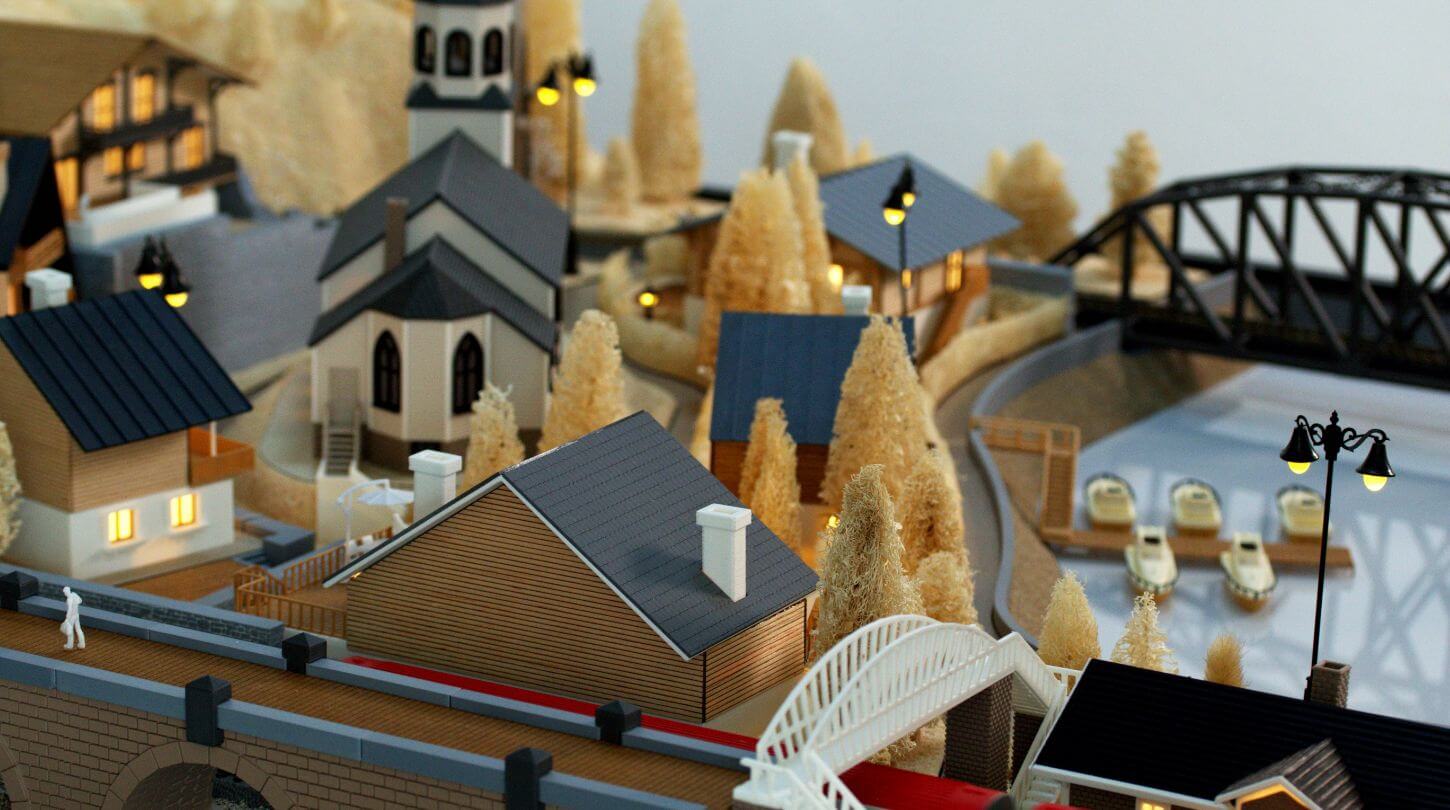
One of the biggest mistakes when designing a small model railroad is trying to recreate too much. Multiple stations, large yards, industrial complexes, and extensive passenger facilities can quickly make a compact layout feel overcrowded. A more effective approach is to build around a single, well-developed scene. A small freight depot, a factory served by a railway siding, or a station beside a river can provide a clear purpose for the tracks and create a natural focal point.
This approach also allows you to spend more time on details that matter. Realistic weathering, carefully positioned figures, convincing roads, and well-finished structures can make a compact layout far more impressive than a larger but less detailed design.
Use scenery to create depth
Scenery can make a small layout appear much larger than it really is. Hills, trees, retaining walls, bridges, and buildings can help divide the scene into different visual areas, creating the impression that the railway continues beyond the visible space.
A road disappearing behind a building or tracks entering a tunnel can suggest destinations that exist outside the layout itself. Background structures and distant hills can also help soften the transition between the miniature scene and the surrounding room.
The key is to create depth without filling every available space. Leaving some open areas helps the layout breathe and makes individual details easier to appreciate.
Consider a small Industrial Railway
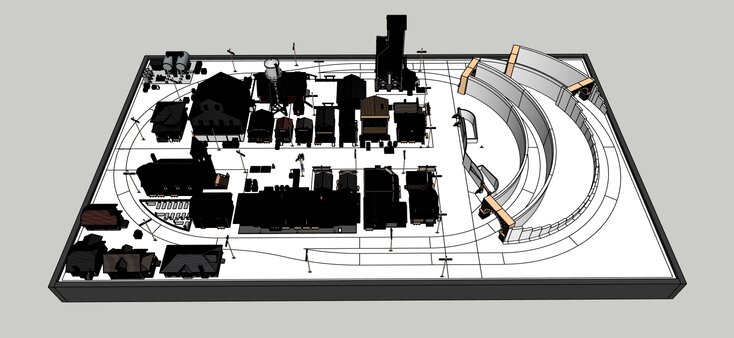
Industrial railways are particularly well suited to compact layouts because they can tell a complete story within a relatively small area.
A factory, warehouse, loading platform, or distribution yard provides a clear reason for trains to arrive and depart. A few sidings, freight cars, service roads, and industrial structures can create an engaging scene without requiring long main lines or extensive countryside.
Industrial layouts also offer excellent opportunities for realistic architectural details, weathered surfaces, pipes, storage tanks, and loading equipment. With a consistent theme, even a narrow shelf can become a convincing miniature industrial environment.
Plan for easy access and future expansion
A small layout still needs to be practical. Tracks, switches, tunnels, and electrical connections should remain accessible for cleaning, maintenance, and repairs. A design that looks impressive but makes routine maintenance difficult can quickly become frustrating. It’s also worth considering whether the layout might expand in the future. You could begin with a single shelf or station scene and later add another section, provided the original design allows for a sensible connection.
Planning these possibilities early helps protect your investment and gives you the freedom to develop the railroad as your interests evolve.Small model railroad layouts prove that creativity matters far more than size. With the right scale, a clear theme, and carefully designed scenery, even a limited area can become a realistic miniature world filled with character.
Whether you choose a shelf layout, an L-shaped design, or a compact industrial railway, focus on creating a scene that feels purposeful and believable. A few well-executed details will always have more impact than trying to squeeze everything into one small space.
At Lokomote, we believe that great miniature environments begin with thoughtful design. Explore our model railroad projects for inspiration and discover how careful planning, realistic scenery, and precision craftsmanship can turn even the smallest space into something extraordinary.