How to design a Realistic Model Railroad Layout

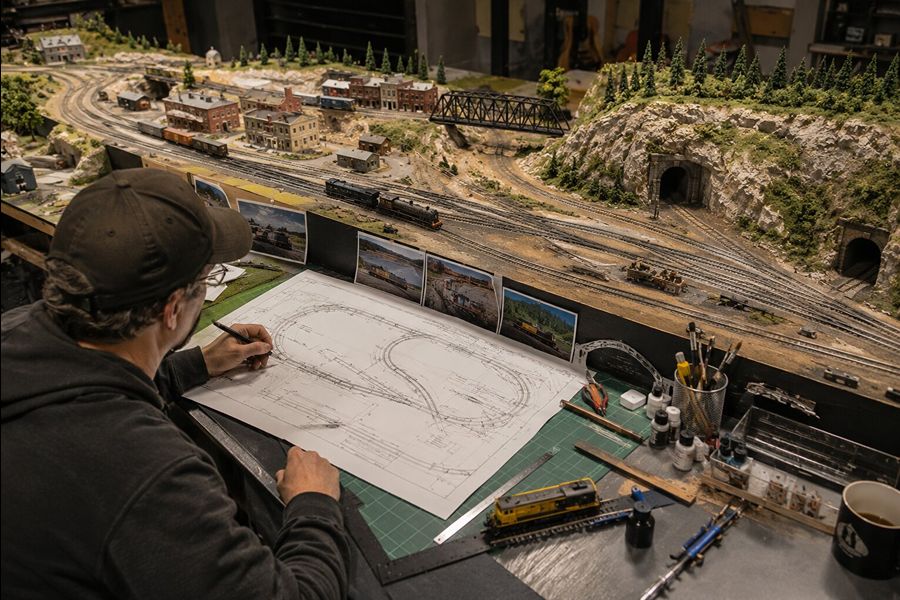
Designing a model railroad layout is one of the most rewarding parts of the hobby. Before the first piece of track is installed or the first building finds its place, every great layout begins with a clear vision. Good planning not only makes construction easier, but also helps create a miniature world that feels believable and enjoyable to operate for years to come.
A realistic layout isn’t simply about running trains in circles. It’s about creating an environment where every track, station, bridge, and hillside has a purpose. The most memorable layouts tell a story, inviting viewers to imagine the people, industries, and landscapes that make the railway feel alive.
Start with the Story, Not the Track
Many beginners start by buying track sections and arranging them until something fits the available space. While this approach can work, the most realistic layouts usually begin with a different question: What story do I want this railroad to tell?
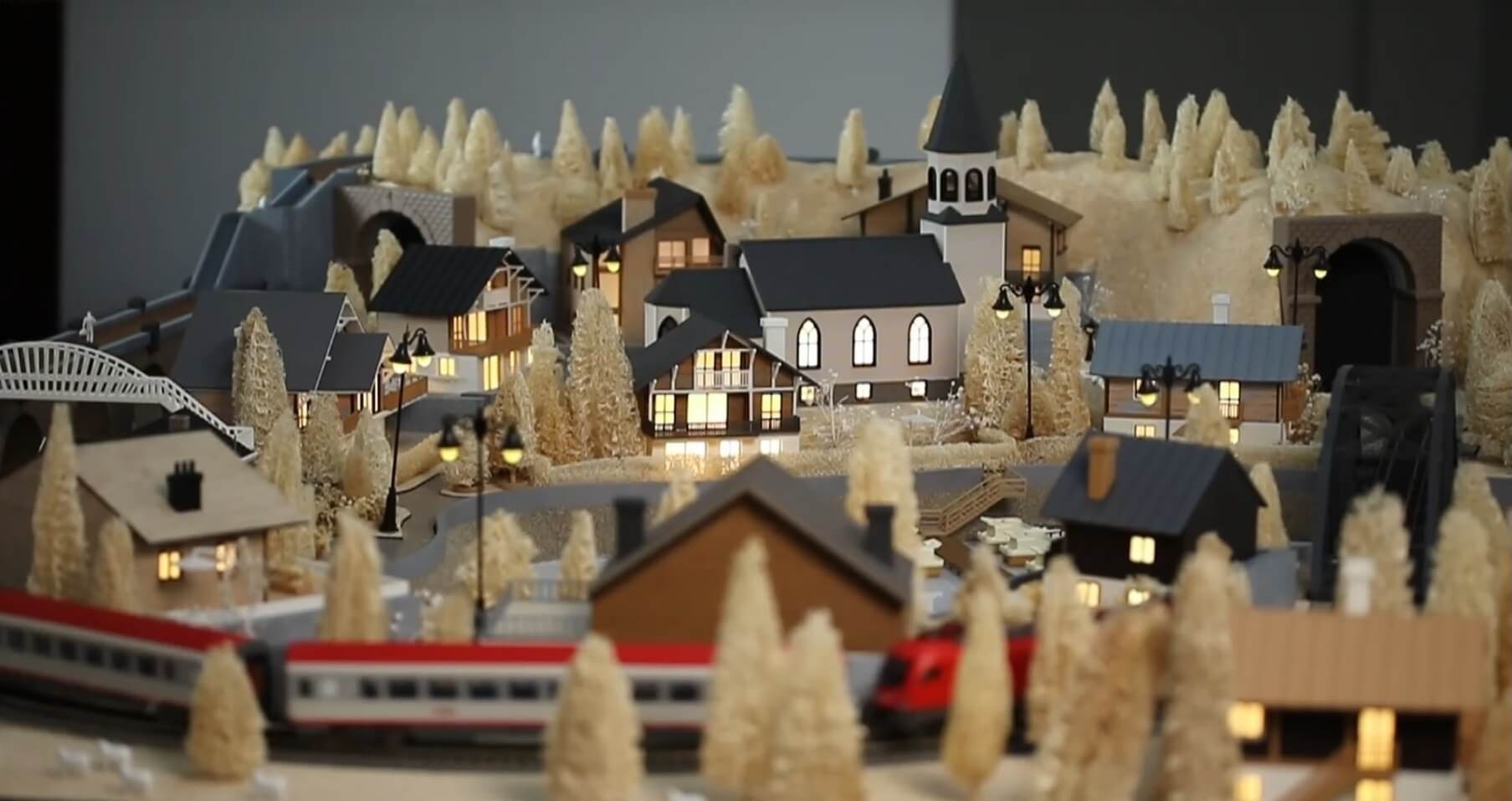
Perhaps you imagine a busy freight line serving local industries, a quiet rural branch crossing rolling hills, or a bustling passenger station connecting a growing town. Once you have a theme in mind, every design decision becomes much easier. Buildings, scenery, locomotives, and even weathering can all follow the same visual direction, creating a layout that feels cohesive rather than random.
Design Around Your Available Space
Every model railroader dreams of unlimited space, but most layouts need to fit into a spare room, garage, or hobby corner. Instead of trying to squeeze too much into a limited area, focus on making the most of the space you have.
Leave enough room to comfortably reach every section of the layout for maintenance and cleaning. Think about where you’ll stand while operating trains and whether you’ll want to expand the railroad in the future. A slightly smaller layout with generous scenery often looks more realistic than a crowded design packed with tracks and buildings.
Build a Track Plan That Feels Real
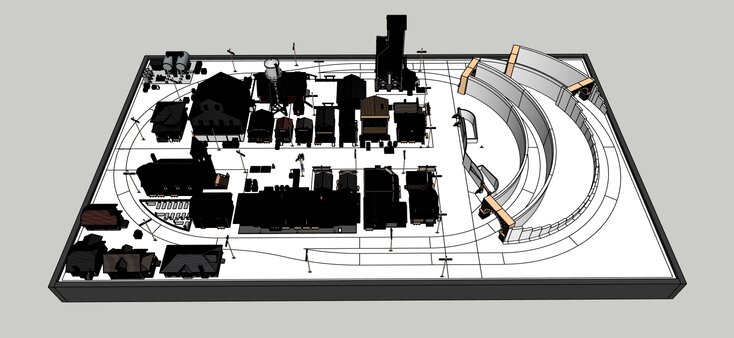
Real railroads exist to move people and goods efficiently, and your layout should reflect that same purpose. Instead of creating endless loops, think about how trains travel between stations, industries, and freight yards.
Including passing sidings, small stations, bridges, or industrial spurs immediately adds realism and creates more interesting operating possibilities. Gentle curves and natural track flow also make trains look far more convincing as they travel through the landscape.
A well-designed track plan doesn’t need to be complicated. Often, simplicity creates the most authentic results.
Let the Landscape Shape the Railway
One common mistake is treating scenery as something to add after the tracks are finished. In reality, the landscape and the railway should complement one another from the very beginning.
Mountains influence where tunnels are needed. Rivers naturally suggest bridges. Small towns develop around stations, while factories are often located near freight lines. Thinking about these relationships helps create scenes that resemble real places rather than collections of individual models.
When designing terrain, avoid making everything perfectly symmetrical. Nature is full of irregular shapes, varied elevations, and subtle imperfections. These small variations are what make a miniature landscape feel believable.
Focus on Details That Tell a Story
The smallest details are often the ones that capture attention first. A delivery truck parked outside a warehouse, a family waiting on the station platform, or an old signal beside the tracks all help create the impression that life continues even when the trains aren’t moving.
Rather than filling every empty space with accessories, choose details that support the story you’re trying to tell. A few carefully placed figures, realistic weathering, and thoughtfully arranged vehicles can create far more impact than dozens of unrelated decorative elements.
Take Your Time
Perhaps the biggest secret behind every impressive model railroad is patience. The layouts that inspire us most were rarely built in a few weekends. They evolved over months or even years, with each new section receiving careful attention before moving on to the next.
Working step by step allows you to experiment with new techniques, improve your craftsmanship, and make changes as your ideas develop. More importantly, it keeps the hobby enjoyable. Building a model railroad isn’t simply about reaching the finished layout it’s about enjoying the creative process along the way.
Designing a realistic model railroad layout is a balance between planning, creativity, and observation. By studying real railways, thinking about how landscapes and industries connect, and taking the time to develop each scene, you can create a miniature world that feels authentic from every angle.
Whether your project is a compact shelf layout or a large custom installation, realism comes from thoughtful design rather than size alone. Every curve, building, and scenic detail contributes to the overall atmosphere, transforming a simple collection of models into a railway with its own unique character.
If you’re looking for inspiration for your next project, explore Lokomote’s custom layouts and miniature creations. Every model we build begins with the same philosophy: thoughtful planning, precision craftsmanship, and a passion for creating realistic miniature worlds.