10 Mistakes to Avoid When Building a Model Railroad Layout

Building a model railroad layout is one of the most rewarding hobbies for train enthusiasts and miniature modelers. From designing scenic landscapes to operating realistic railway systems, every project offers endless opportunities for creativity and craftsmanship.
However, many beginners and even experienced hobbyists make avoidable mistakes that can lead to unnecessary expenses, operational problems, or disappointing results. Fortunately, careful planning and a few practical tips can help you avoid these common pitfalls.
In this guide, we’ll explore the ten most common mistakes people make when building a model railroad layout and explain how to avoid them.
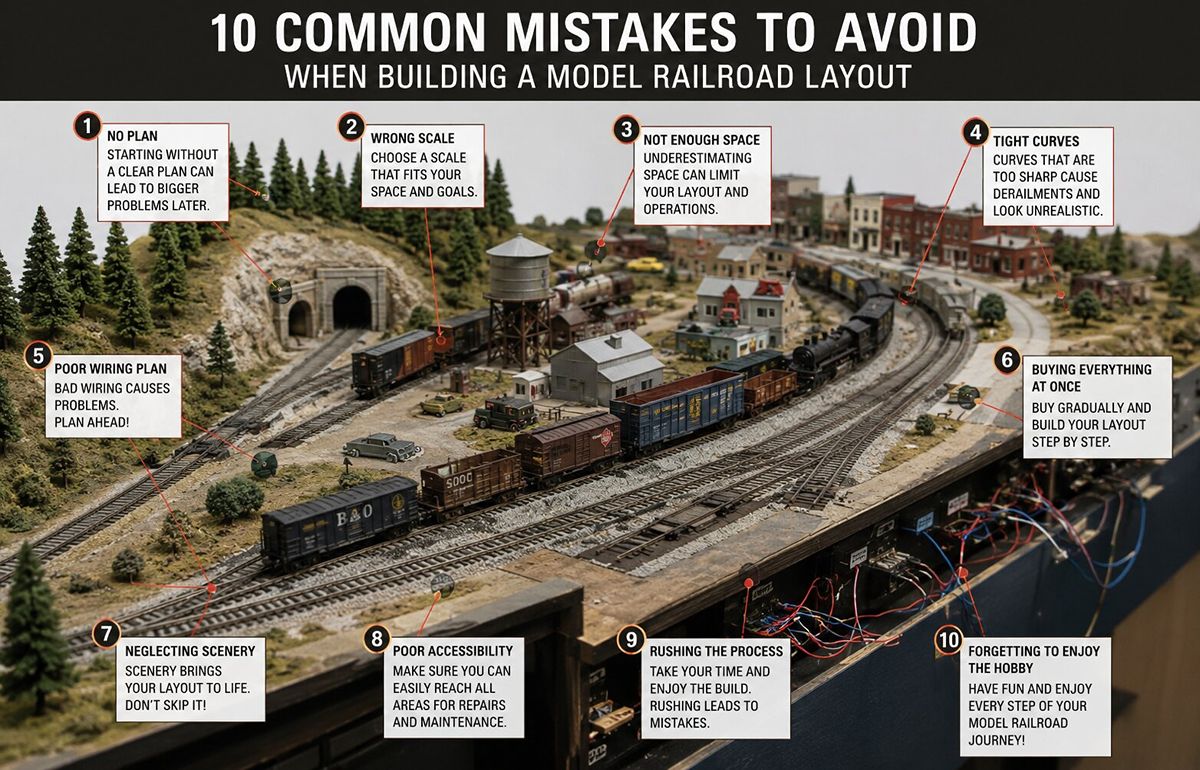
1. Starting without a plan
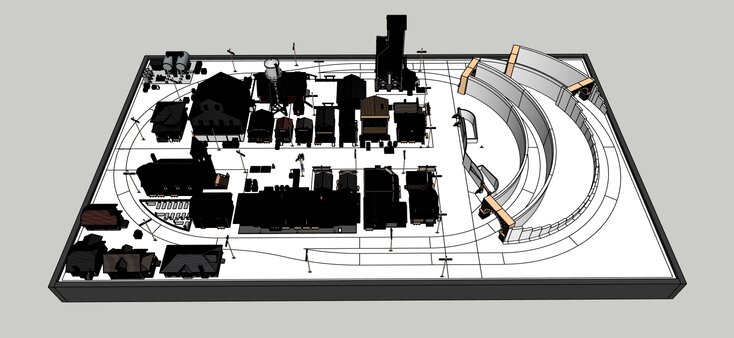
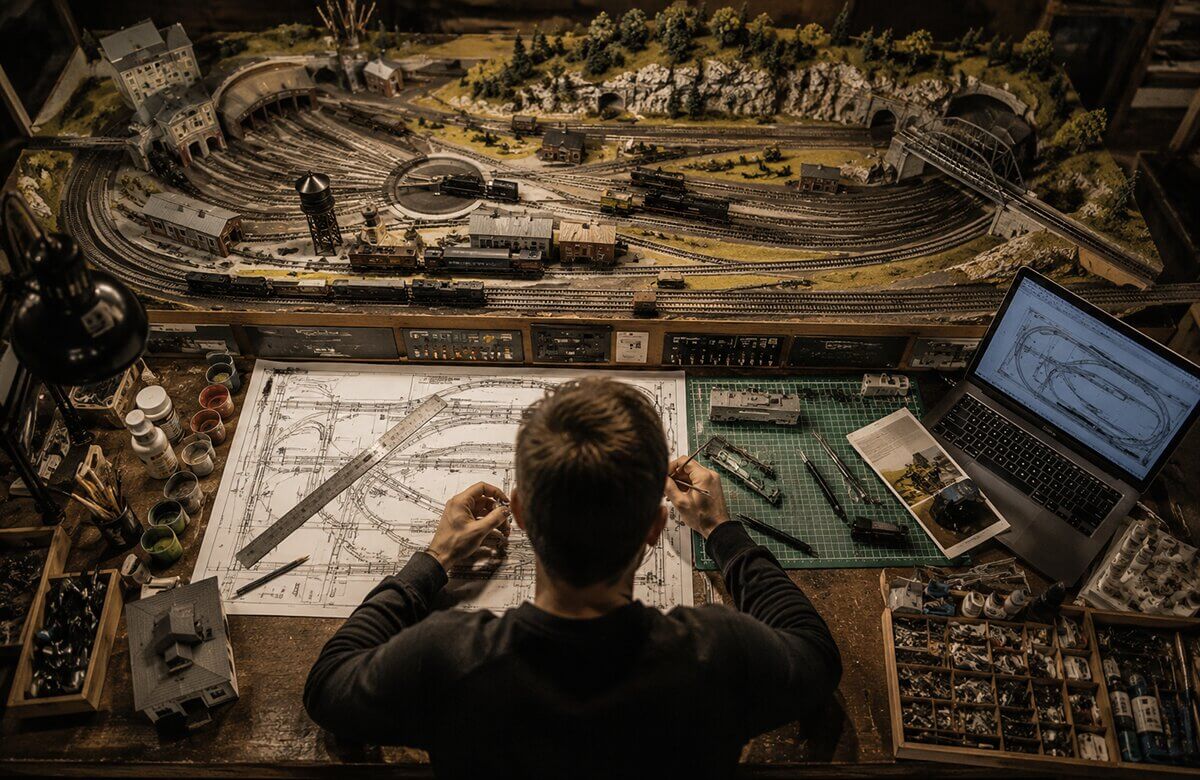
One of the biggest mistakes is jumping straight into construction without a clear layout plan. Before purchasing tracks, buildings, or scenery, take time to sketch your ideas. Consider the available space, train operations, scenery, and future expansion possibilities. A well-planned layout saves time, money, and frustration later.
2. Choosing the wrong scale
Many hobbyists choose a scale based solely on appearance without considering available space or long-term goals.
For example:
- HO Scale offers an excellent balance between detail and space.
- N Scale is ideal for compact layouts.
- O Scale delivers exceptional realism but requires considerably more room.
Selecting the right scale early will influence every future purchase.
3. Underestimating space requirements
It’s easy to dream about large rail yards and long mainlines, but available space often becomes the limiting factor.
Leave enough room for:
- Curves
- Stations
- Mountains
- Maintenance access
- Future extensions
A layout that fits comfortably within your room is usually more enjoyable than one that’s overcrowded.
4. Using curves that are too tight
Sharp curves may save space, but they can cause operational problems.
Tight curves often result in:
- Derailments
- Poor train appearance
- Limited locomotive compatibility
- Restricted rolling stock options
Whenever possible, use broader curves to improve both realism and reliability.
5. Ignoring electrical planning
Reliable electrical wiring is the foundation of every successful model railroad. Many builders focus entirely on scenery while leaving wiring until the very end.
Instead, plan your electrical system from the beginning, including:
- Power distribution
- Track feeders
- Turnout wiring
- Lighting circuits
- Future digital control systems
Good wiring makes troubleshooting much easier later.
6. Buying everything at once
It’s tempting to purchase every locomotive, building, and accessory that catches your eye. However, this often leads to:
- Overspending
- Storage problems
- Inconsistent themes
- Unfinished layouts
Instead, build your railroad in stages. Complete one section before moving to the next. A gradual approach usually produces better results and keeps the project enjoyable.
7. Neglecting scenery
Even the most advanced track plan can feel incomplete without realistic scenery. Landscaping transforms a collection of tracks into a believable miniature world.
Consider adding:
- Trees and forests
- Rivers and lakes
- Roads and bridges
- Static grass
- Ballast
- Rock formations
- Buildings and vehicles
Small details make a huge difference in realism.
8. Forgetting about accessibility
Many hobbyists build layouts that look fantastic—but are difficult to maintain. Always ensure you can easily reach:
- Tracks
- Switches
- Tunnels
- Wiring
- Hidden staging areas
Easy access simplifies cleaning, maintenance, and future upgrades.
9. Trying to finish too quickly
Building a realistic model railroad takes time. Rushing often results in:
- Poor scenery
- Inaccurate details
- Weak construction
- Avoidable mistakes
Enjoy the process and focus on steady progress rather than quick completion. Many of the world’s most impressive layouts were built over several years.
10. Forgetting to enjoy the hobby
Perhaps the biggest mistake of all is becoming so focused on perfection that you forget why you started. Model railroading is about creativity, learning, and enjoying the journey. Every project teaches new techniques, and every layout becomes better with experience. Don’t be afraid to experiment, make improvements, and develop your own style over time.
Bonus tips for building a better model railroad
If you’re just getting started, keep these additional recommendations in mind:
- Research different layout styles before building.
- Invest in quality track and reliable components.
- Test trains frequently during construction.
- Keep your layout clean to ensure smooth operation.
- Join online communities to learn from experienced hobbyists.
- Expand gradually instead of attempting everything at once.
Patience, planning, and attention to detail will always produce better results than rushing through a project.
Every successful model railroad begins with careful planning and realistic expectations. While mistakes are part of the learning process, avoiding the most common ones can save you considerable time, money, and frustration.
Whether you’re building your very first layout or expanding an existing one, thoughtful design, quality materials, and a step-by-step approach will help you create a miniature railway you’ll be proud of for years to come.
Remember that no layout is ever truly finished. As your skills grow, your railroad can continue to evolve with new scenery, structures, technology, and operating features. The most important part is to enjoy the creative process and build a layout that reflects your own vision and passion for model railroading.
Explore More Model Railroad Inspiration
Looking for ideas, scenery, accessories, or custom-built model railroad solutions? Explore our latest projects and discover how thoughtful planning and quality craftsmanship can bring your miniature railway to life.