How to Build a Realistic Train Station Scene

Few elements become the centerpiece of a model railroad layout quite like a train station. Whether it’s a small rural stop surrounded by countryside or a busy urban terminal serving hundreds of miniature passengers, a well-designed station naturally attracts attention and gives purpose to the railway around it.
A realistic station scene does more than provide a place for trains to stop. It creates activity, tells a story, and helps viewers connect with the miniature world you’ve built. With thoughtful planning and attention to detail, even a relatively small station can become one of the most memorable areas of an entire layout.
Start with the type of station
Before selecting buildings or placing tracks, it’s worth considering the role your station will play within the layout. A quiet country station creates a very different atmosphere from a large city terminal. Rural stations often feature simple platforms, small waiting areas, and limited traffic, while urban stations may include multiple tracks, covered platforms, nearby businesses, and a constant flow of passengers. Choosing a clear theme from the beginning helps create a scene that feels consistent and believable.
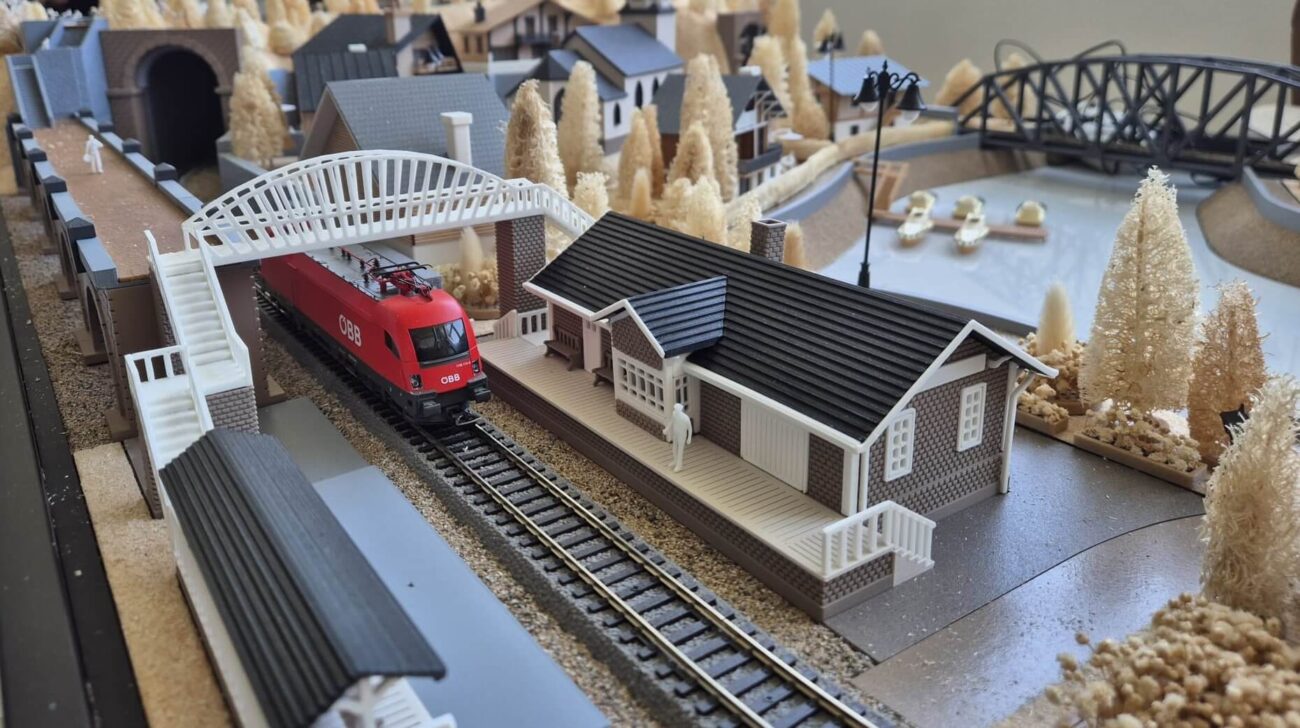
Make the station fit the railway
One of the most common mistakes is building a station that feels disconnected from the rest of the layout. In the real world, stations develop around the communities they serve. Small towns usually have modest facilities, while larger cities require more extensive infrastructure. Matching the size and style of the station to its surroundings immediately improves realism.
The station should feel like a natural part of the railway rather than an isolated structure placed beside the tracks.
Focus on architecture and character
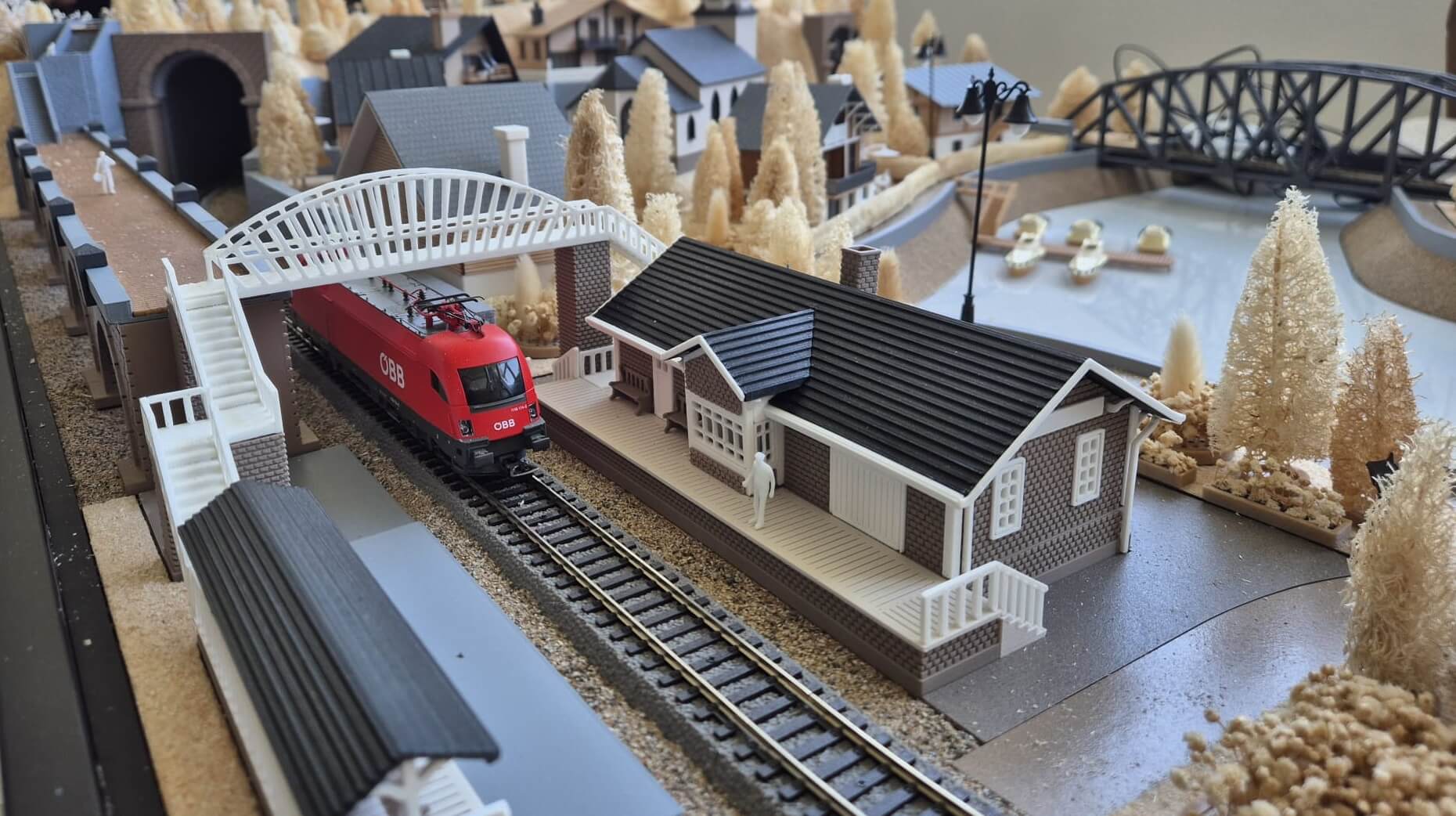
The station building itself often becomes the visual centerpiece of the scene. Historic stations may feature brick walls, decorative roofs, and traditional signage, while modern stations tend to use cleaner lines, glass facades, and contemporary materials. Paying attention to architectural details helps establish the era and location of the layout.
Weathering can also add character. Slightly faded paint, worn platforms, and subtle signs of age often make buildings appear far more realistic than perfectly clean structures.
Create realistic platforms
Platforms are where much of the action takes place, making them an important part of any station scene. Rather than leaving platforms empty, think about how people use the space. Passengers waiting for trains, luggage carts, benches, information boards, and station signs all help create the impression of daily activity.
Even small details such as platform markings or safety lines can contribute significantly to realism.
Bring the scene to life with people – A station without people can feel surprisingly lifeless.
Adding figures instantly creates movement and narrative. A commuter checking the timetable, a family waiting beside their luggage, or a railway employee preparing for an arriving train all suggest stories taking place within the scene.
The goal isn’t to overcrowd the platform but to place figures naturally, as they would appear in everyday railway operations.
Don’t forget the surroundings – The most convincing station scenes extend beyond the station building itself.
Roads leading to the entrance, parked vehicles, nearby shops, street lamps, and surrounding buildings help integrate the station into the larger environment. These elements create the impression that the railway serves a living community rather than existing in isolation.
Even a small parking area or a nearby café can add depth and context to the scene.
Use lighting to create atmosphere – Lighting is one of the most effective ways to make a station feel alive.
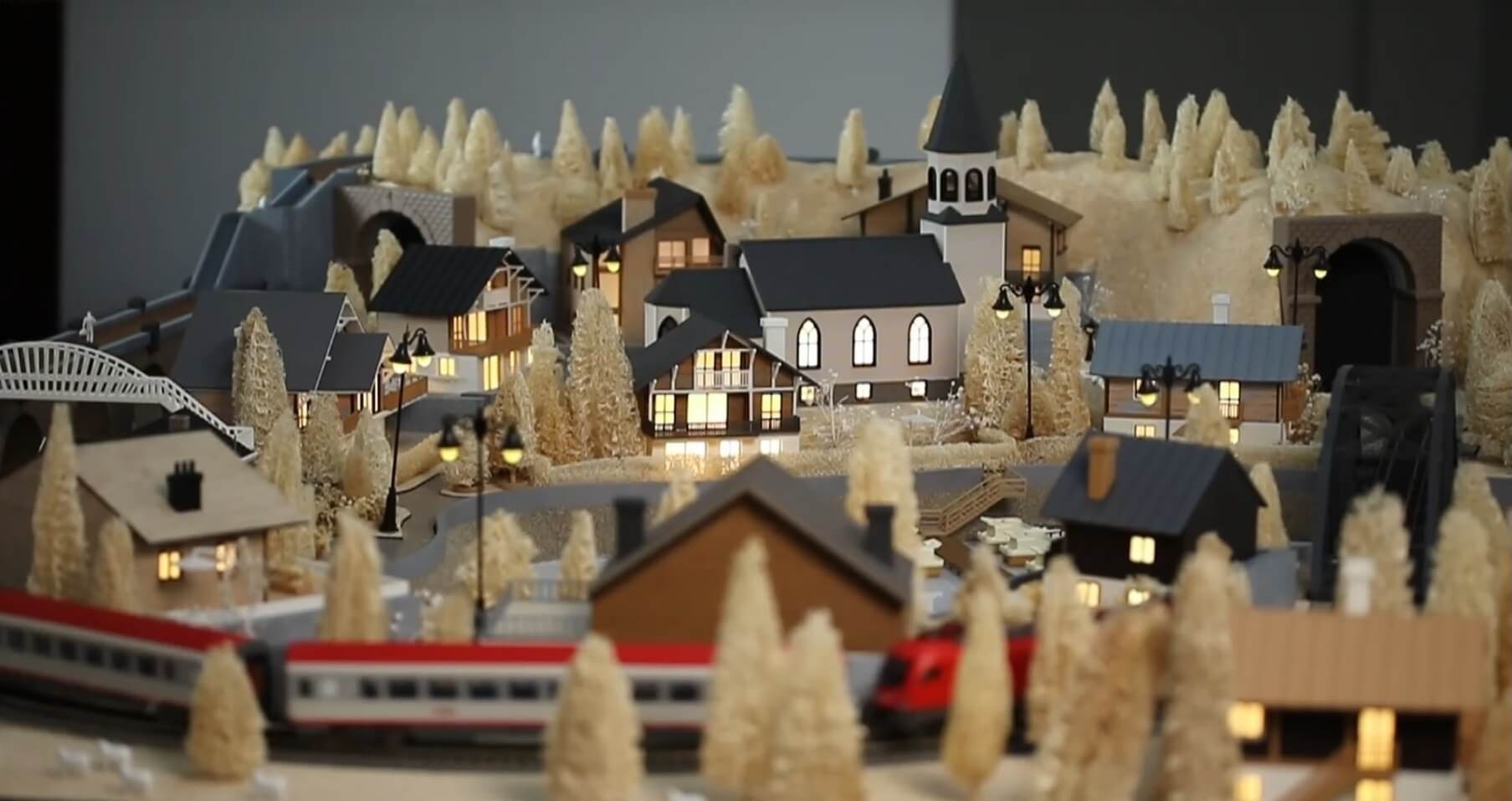
Soft platform lights, illuminated waiting rooms, and glowing windows create a welcoming atmosphere, especially during evening operation. The contrast between lit and shadowed areas adds depth and encourages viewers to explore different parts of the scene.
Nighttime station scenes often become some of the most visually striking areas of a model railroad layout.
Add operational details – Small railway details help reinforce the authenticity of the station.
Signals, timetable boards, crossing gates, luggage carts, utility cabinets, and platform clocks all contribute to the feeling that the station is part of a functioning transportation network. These elements may seem minor individually, but together they help create a convincing railway environment.
Tell a story – The most memorable station scenes are often those that suggest a story.
Perhaps a freight delivery has just arrived at a nearby warehouse. Maybe passengers are gathering for the morning commuter train. A maintenance crew could be preparing the platform before the day’s first departure.
Scenes like these encourage viewers to imagine what happened before the train arrived and what might happen next. Storytelling is often what separates a good model railroad from a truly immersive one. A realistic train station scene can become the heart of a model railroad layout. By combining thoughtful architecture, natural surroundings, carefully placed figures, and subtle operational details, you can create a miniature destination that feels authentic and full of life.
Whether you’re modeling a rural branch line, a historic railway station, or a modern transportation hub, the key is to focus on the people, structures, and everyday details that make real stations such fascinating places.
When designed with care, a station becomes much more than a stop along the line—it becomes a story waiting to unfold.
Creating memorable Railway Scenes
At Lokomote, we believe the most impressive model railroads are built around scenes that capture attention and spark imagination. From detailed station buildings and realistic platforms to custom scenery and handcrafted architectural elements, every component contributes to a miniature world that feels authentic and alive.
Explore our latest projects and discover how thoughtful design transforms simple railway scenes into unforgettable miniature experiences.