Model Railroad Lighting Ideas for Realism

Lighting is one of the most overlooked elements in model railroading, yet it is often the detail that transforms a layout from static to truly immersive. While track design and scenery build the structure of a miniature world, lighting gives it atmosphere, depth, and life. A well-lit model railroad layout doesn’t just illuminate the scene it shapes how it is perceived.
Why Lighting Matters
In real environments, light defines space. It highlights architecture, creates contrast, and changes the mood depending on time of day. The same principle applies to model railroad layouts.
Without lighting, even the most detailed layout can feel flat. With carefully integrated illumination, the same scene becomes cinematic — especially when viewed in low-light conditions.
Lighting helps to:
- Create depth and perspective
- Emphasize architectural details
- Simulate time (day, dusk, night)
- Add realism through subtle imperfections
Warm Interior Lighting for Buildings
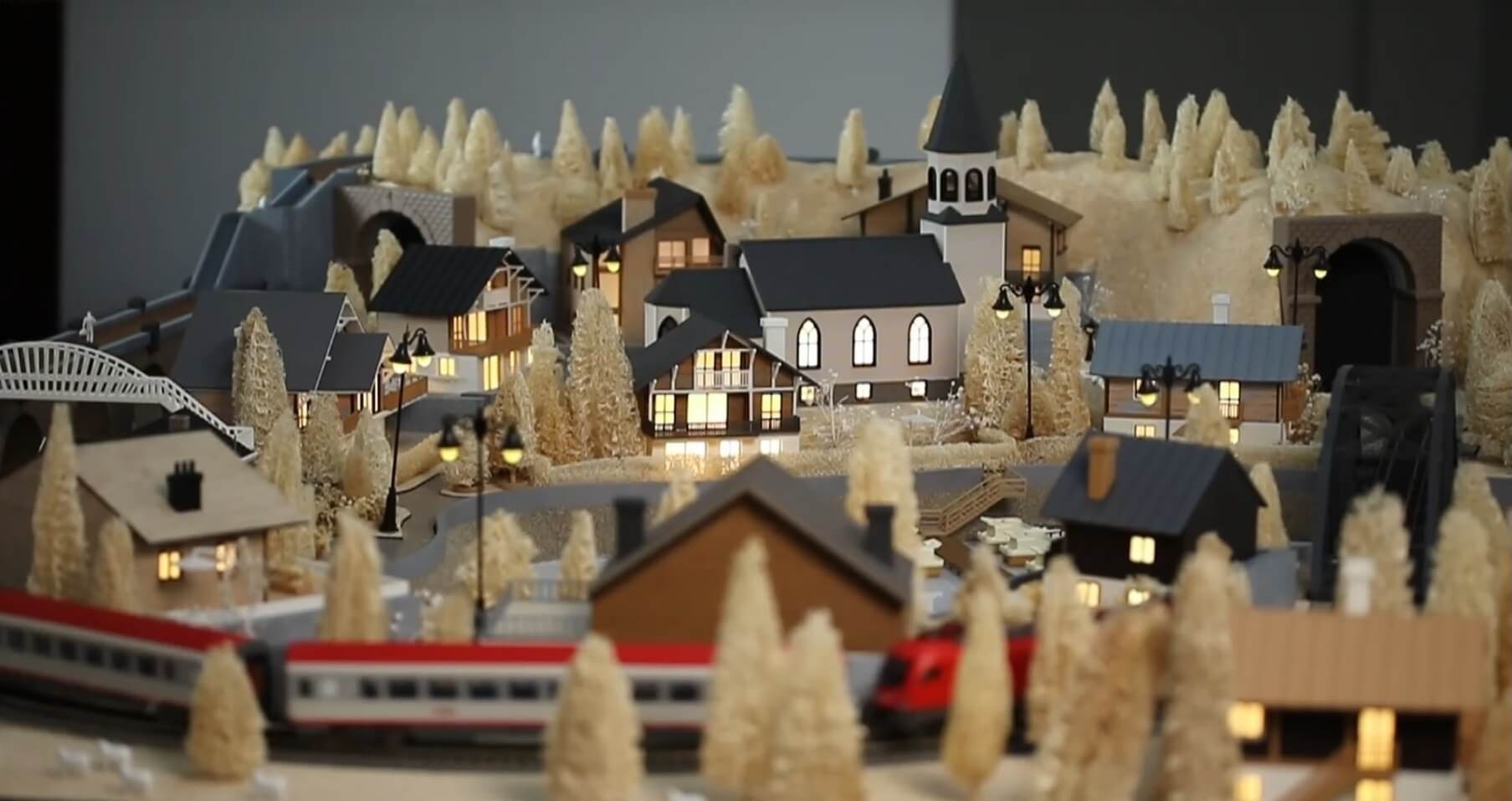
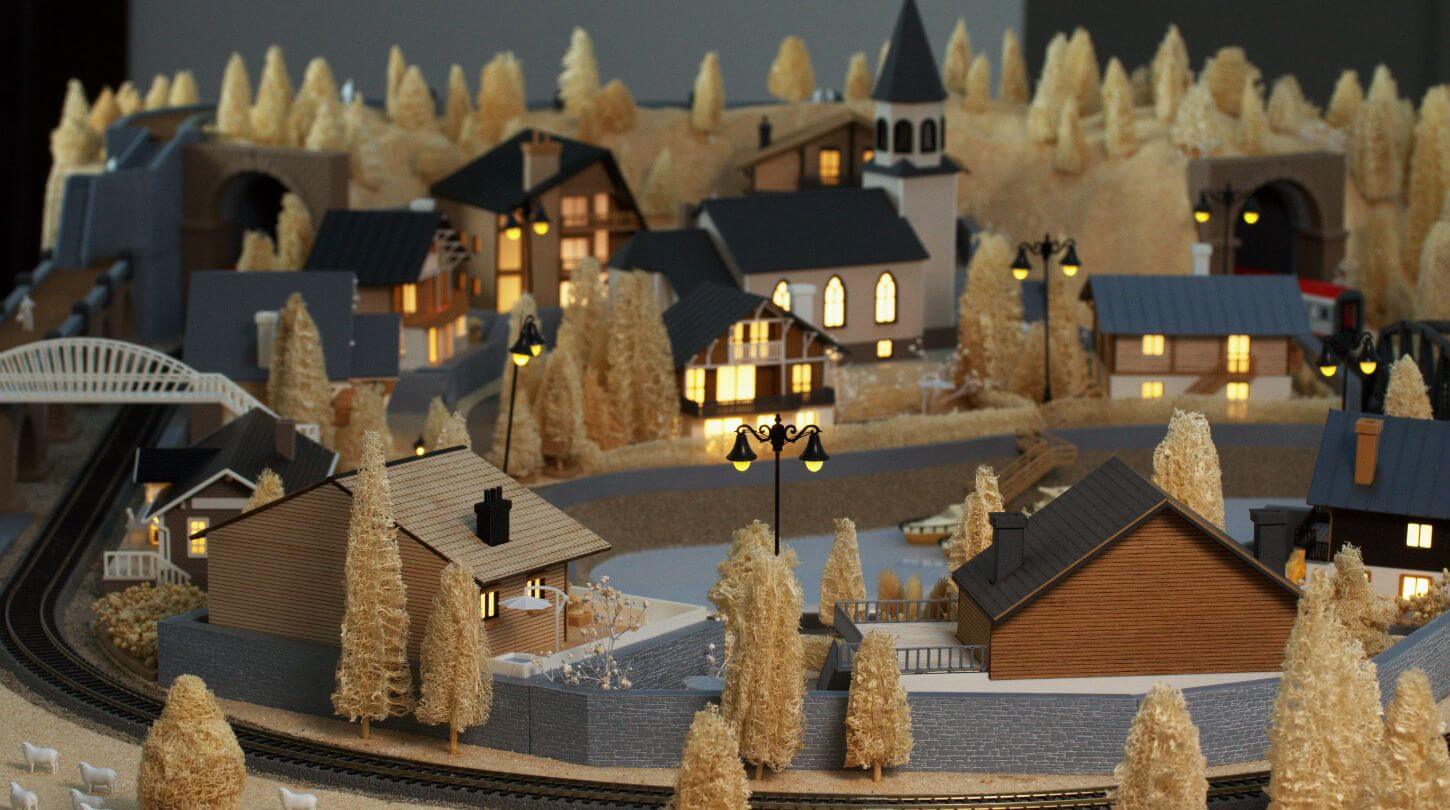
One of the simplest and most effective techniques is adding warm lighting inside buildings. A soft yellow or warm white glow instantly makes structures feel inhabited. Houses, stations, and industrial buildings become part of a living environment rather than static models.
To achieve a realistic effect:
- Use low-intensity LEDs
- Avoid overly bright interiors
- Vary brightness between buildings
- Leave some structures unlit for contrast
Uniform lighting across all buildings can feel artificial. Realism comes from variation.
Street Lighting and Infrastructure
Street lamps, platform lights, and industrial lighting elements play a key role in defining the layout’s atmosphere. These elements guide the viewer’s eye through the scene and create visual rhythm across the layout.
For best results:
- Space lights naturally (not perfectly evenly)
- Use slightly different heights and intensities
- Focus lighting on key areas such as stations, crossings, and loading zones
Small asymmetries make the scene feel more natural.
Industrial Lighting for Atmosphere
Industrial layouts benefit especially from lighting.
Factories, warehouses, and rail yards often feature:
- Strong overhead lighting
- Directional spotlights
- Interior glow from large windows
This creates contrast between illuminated work areas and darker surrounding spaces, adding depth and realism. Subtle lighting inside industrial buildings can suggest activity without needing excessive detail.
Creating Depth with Light and Shadow
Lighting is not just about brightness — it’s about contrast. A realistic layout uses both light and shadow to create dimension. Foreground areas may be slightly darker, while key focal points are highlighted. Background elements can be softly lit to create distance, helping the layout feel larger than its physical size. Avoid flooding the entire layout with light. Controlled lighting creates atmosphere.
Day vs Night Presentation
One of the most powerful effects is designing a layout that works in both daylight and night settings. During the day, lighting should be subtle and almost invisible. At night, it becomes the defining feature of the scene. Layouts designed with this dual perspective feel more complete and dynamic.
Subtle Imperfection = Realism
Perfect lighting often looks unrealistic.
In real environments:
- not every light is on
- brightness varies
- some areas are darker than others
Recreating these imperfections is what makes a layout believable.
Lighting as Part of the Design
In more advanced layouts, lighting is not an afterthought — it is planned from the beginning. It becomes part of the composition, working alongside architecture, terrain, and movement. Some studios approach lighting as a core design element, integrating it into the structure of the layout to create cohesive environments that feel both functional and cinematic.
Final Thoughts
Lighting is one of the most powerful tools in model railroading, yet it often receives the least attention. A carefully designed lighting system can elevate an entire layout — adding mood, realism, and visual impact that cannot be achieved through structure alone. In the end, it’s not just about seeing the layout. It’s about experiencing it.
Explore Real Projects
If you’d like to see how integrated lighting is used in fully assembled layouts, you can explore available HO scale model railroad layouts here.