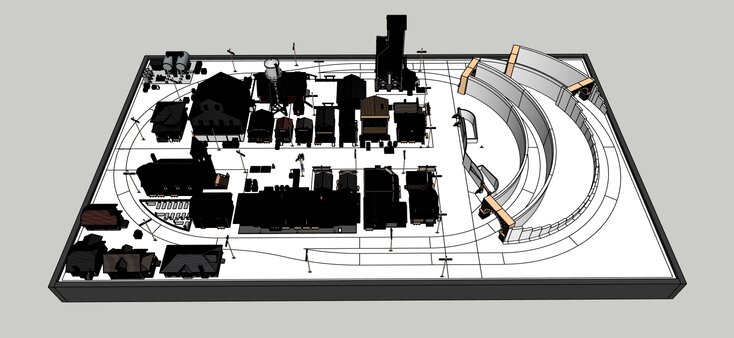
Railway buildings and structures

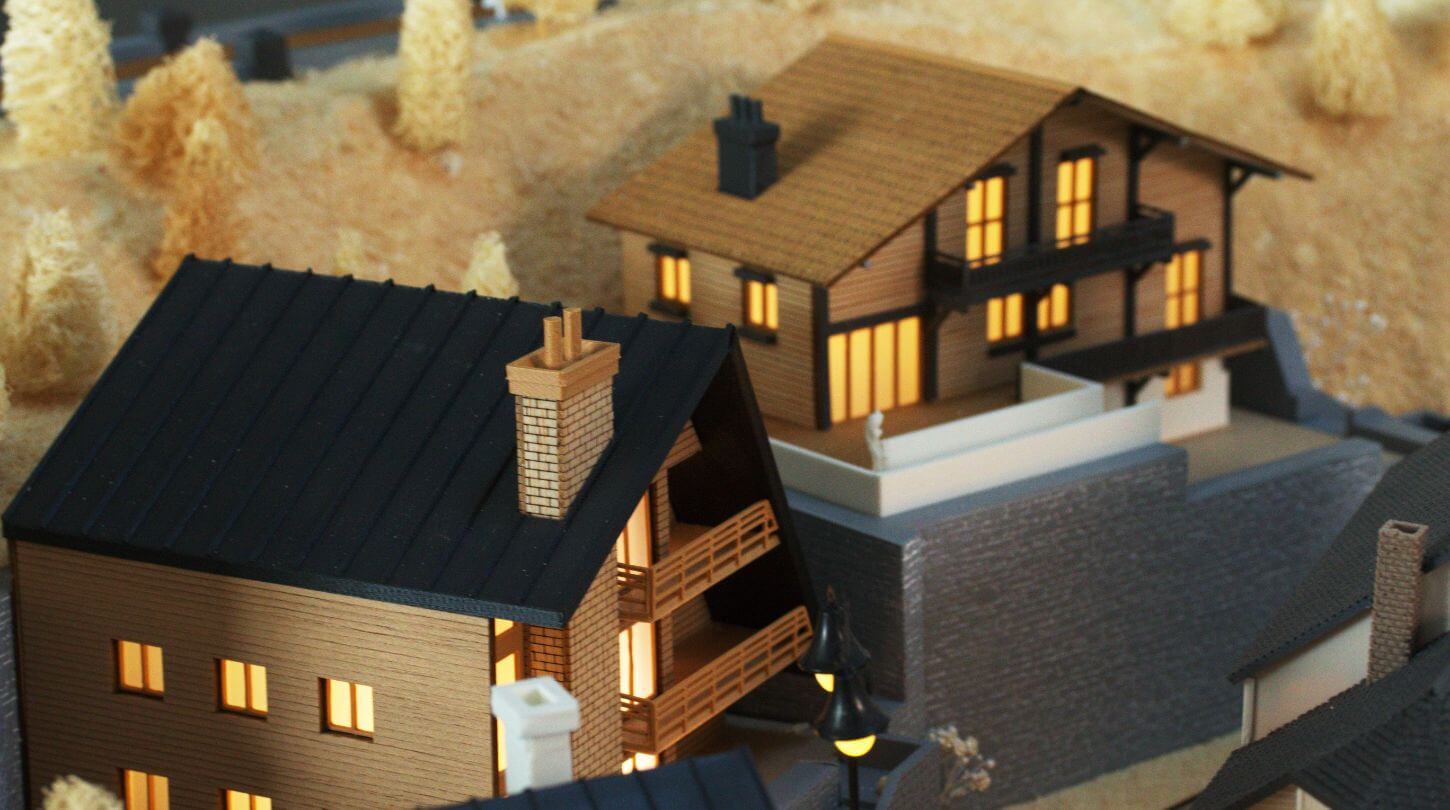
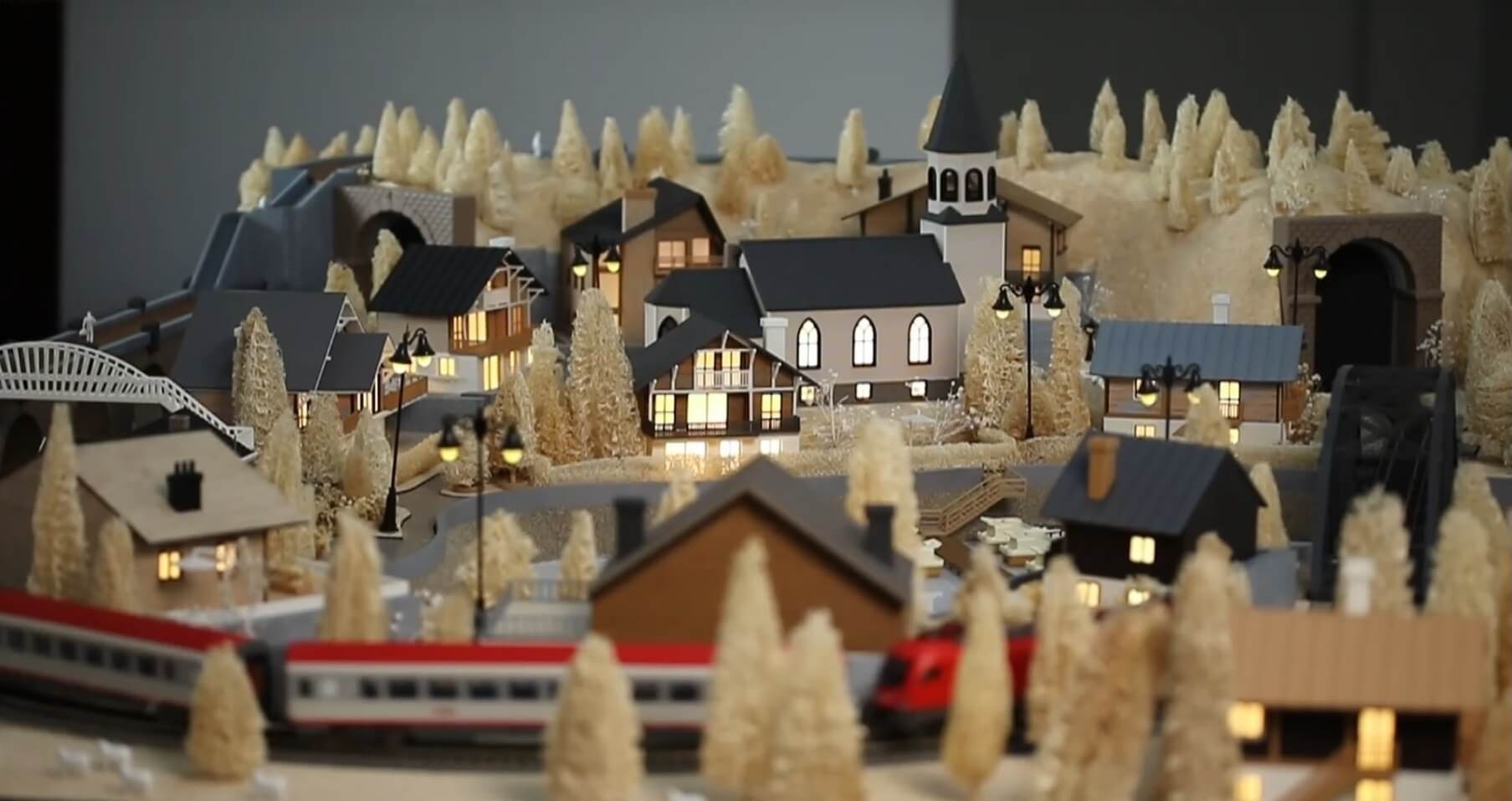
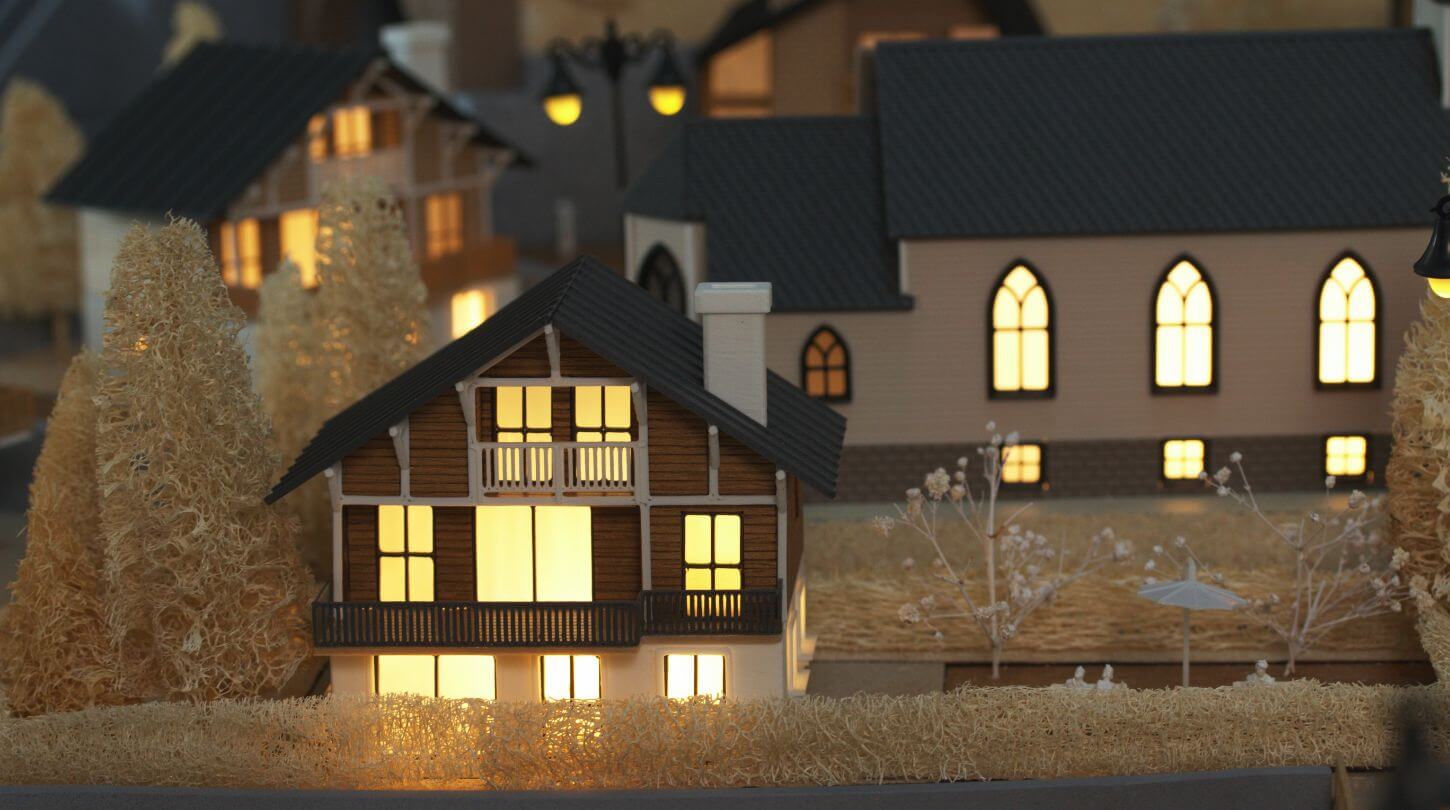
Stations, depots, modular houses, and miniature details
Railway buildings are more than background elements they are the anchors of realism in any model railway layout. A well-crafted station, a busy depot, or a simple modular house can instantly give context, scale, and life to a diorama.
Creating structures at scale is where architecture, storytelling, and craftsmanship meet.
1.Understanding scale and proportions
Before cutting the first piece or assembling a kit, it’s essential to fully understand the scale you’re working in (H0, N, OO, etc.). Even small inaccuracies in height, door size, or roof pitch can break the illusion.
Key principles:
- Always use scale drawings or reference measurements
- Keep doors, windows, and platforms consistent across structures
- Compare buildings with rolling stock and figures regularly during construction
- Accuracy in proportion is what makes a scene feel believable rather than toy-like.
2.Railway stations: The heart of the scene
Stations are often the focal point of a layout. Whether it’s a grand terminal or a rural halt, stations define the era and region instantly.
What to consider when building stations:
- Architectural style (stone, brick, timber, concrete)
- Platform height and length relative to trains
- Canopies, signage, clocks, benches, and lighting
Older European stations tend to feature masonry and ornate details, while mid-20th-century American stations favor wood or functional brick designs. Small details — posters, luggage carts, passengers complete the story.
3. Depots, yards, and technical buildings
Depots and service areas bring operational realism to a layout. They are perfect places to showcase weathering and industrial character.
Common depot structures include:
- Engine sheds and roundhouses
- Fuel and water towers
- Maintenance workshops
- Signal boxes and control huts
These buildings benefit from heavier aging: oil stains, rust, peeling paint, and worn surfaces. Subtle weathering adds authenticity and reflects years of railway activity.
4. Modular houses and supporting architecture
Railways don’t exist in isolation. Surrounding residential and commercial buildings help integrate tracks into a broader environment.
Modular structures are especially useful because:
- They allow flexible layout changes
- They can be customized to fit different scenes
- They help maintain architectural consistency
Railway worker houses, small shops, warehouses, and cafés near stations all contribute to a convincing setting.
5. Scratch-building vs. Kits vs. 3D Printing
There’s no single correct approach to building structures — each method has its strengths.
- Kits are ideal for beginners and offer reliable proportions
- Scratch-building allows complete creative freedom and unique designs
- 3D printing enables precise details, custom parts, and rapid prototyping
- Many advanced modelers combine all three, enhancing kits with scratch-built details or custom 3D-printed components.
6. Materials and finishing techniques
Common materials for miniature structures include:
- Styrene sheets
- Laser-cut wood or MDF
- Cardboard and foam board
- Resin and 3D-printed parts
Painting and finishing are just as important as construction. Use thin layers of paint, dry brushing, washes, and subtle color variation to avoid flat surfaces.
Less perfection often equals more realism.
7. Integrating buildings into the Landscape
Even the most detailed building will look out of place if it’s not properly integrated.
Make sure to:
- Blend foundations into terrain
- Add pathways, fences, and vegetation
- Use matching ground textures and colors
- Buildings should feel rooted in the scene, not simply placed on top of it.
Architecture brings the railway to Life
Railway structures tell us where we are, when we are, and why the railway exists. Stations show movement and connection, depots reveal hard work behind the scenes, and surrounding buildings create a sense of everyday life.
By carefully designing and building structures at scale, you turn a track layout into a complete miniature world.
At Lokomote, we believe great railway modeling isn’t just about trains — it’s about the places they belong to.

Let’s transform an idea into a living miniature world.