The Art of the Miniature

Handcrafted Railroad Landscapes as Masterpieces
Behind every breathtaking miniature railway lies a silent, invisible element: time. Thousands of hours of patience, steady hands, and an obsession with detail are what transform a simple hobby into a true masterpiece of engineering and art.
When people look at a miniature landscape, they often see “models.” But for a master builder, it’s not just about assembling plastic kits or applying glue. It is a meticulous recreation of nature itself. To shrink reality, one must first understand it. How does moss grow on the north side of a scale-model stone bridge? How does rust settle on a forgotten rail siding?
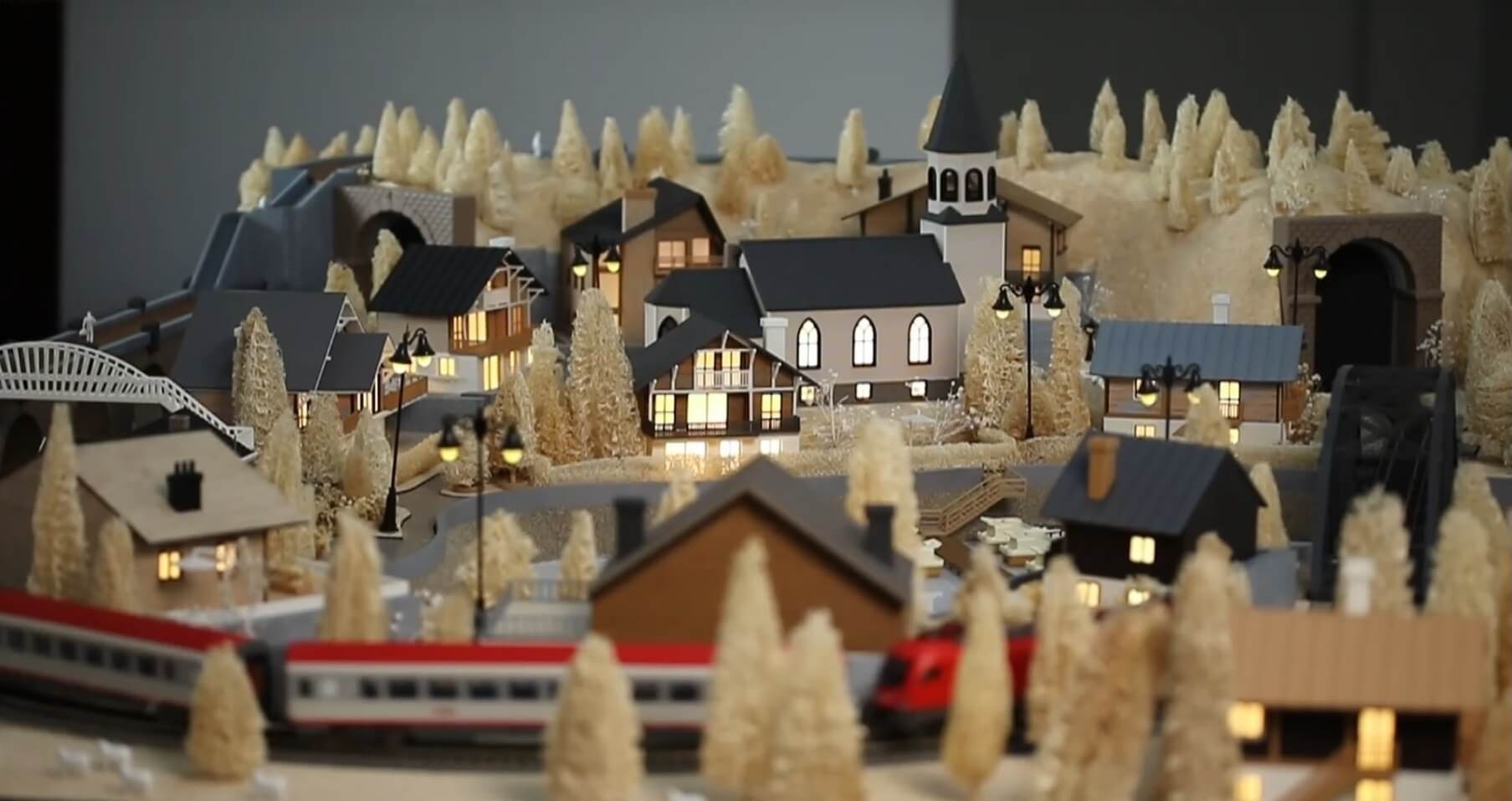
The “hook” of these handcrafted landscapes is the staggering amount of effort required to make something look effortless. A forest isn’t just a collection of green shapes; it’s a layered composition of hundreds of individual, handmade trees, each with its own character, placed to mimic the chaotic perfection of a real woodland.
Shrinking reality: The emotional connection
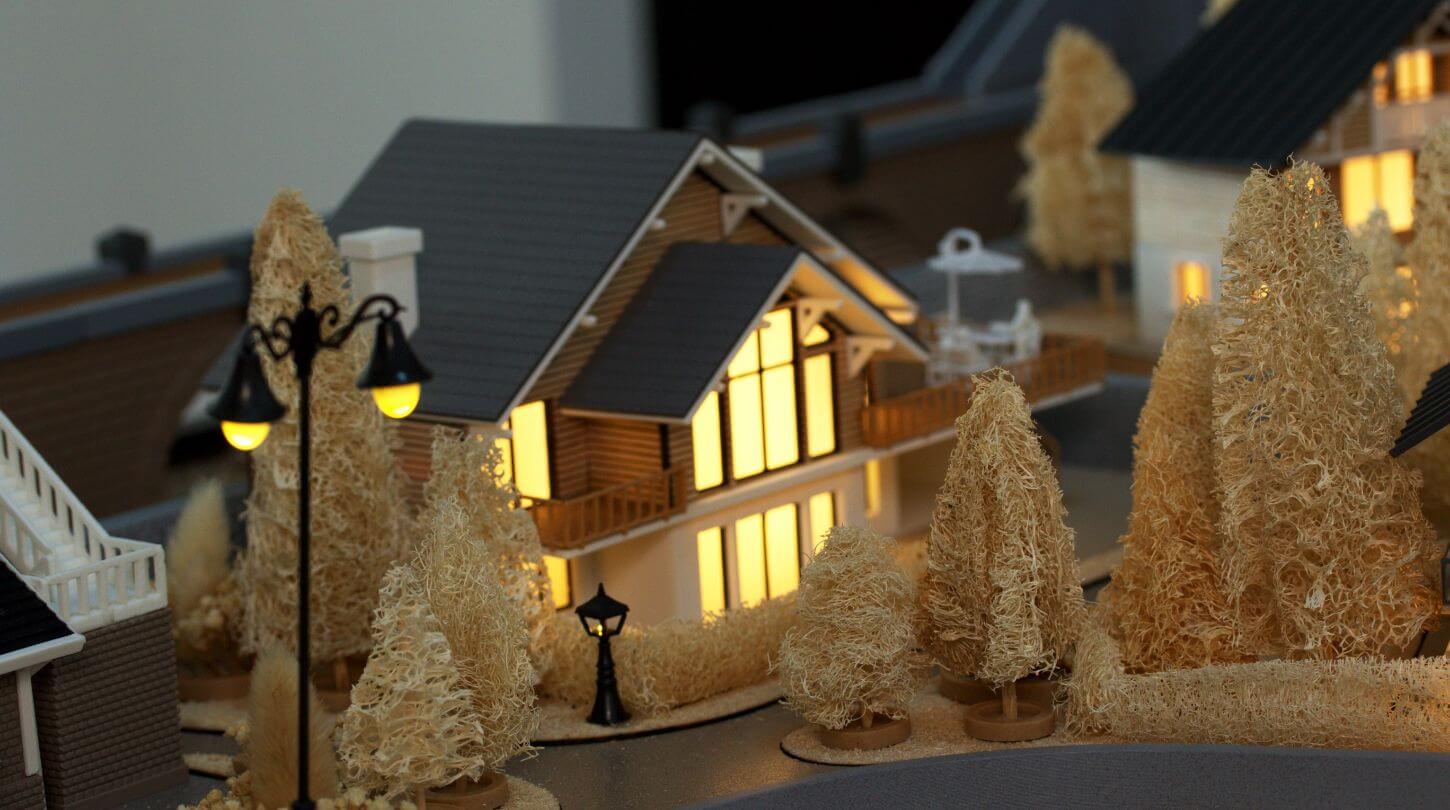
What makes these landscapes masterpieces is the atmosphere they evoke. It’s the play of light through a tiny station window or the weathered texture of a mountain pass that makes the observer stop and stare. You aren’t just looking at a train; you are looking at a frozen moment in time, a world where the laws of physics are scaled down, but the emotional impact remains life-sized.
Why craftsmanship matters
In an era of mass production, the handcrafted railroad landscape stands as a testament to human skill. Each rock face is hand-carved, each building is weathered by hand to show the passage of “miniature years,” and every blade of grass is positioned with purpose.
At Lokomote, we understand that whether it’s a high-end real estate model or a sprawling railroad landscape, the goal is the same: to tell a story so convincing that the viewer forgets they are looking at a miniature. Handcrafted railroad landscapes are more than just dioramas, they are living legacies of the dedication it takes to recreate the world, one tiny detail at a time.
While the soul of Model Railroads remains firmly rooted in manual craftsmanship, the field has evolved into a sophisticated blend of traditional artistry and modern engineering. Today’s masterpieces often incorporate Digital Command Control (DCC) and intricate sound systems, allowing the auditory experience to match the visual fidelity.
This synergy ensures that a handcrafted landscape isn’t just a static display, but a dynamic environment where the rhythmic clatter of wheels on tracks breathes life into the scenery.
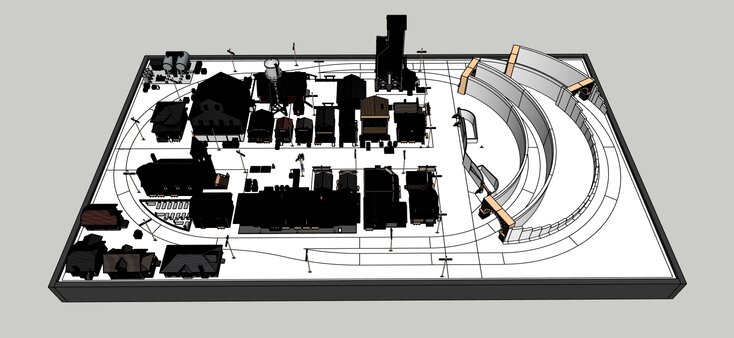
The secret to a compelling railway diorama lies in the “layering” technique. Enthusiasts spend weeks building the sub-terrain, followed by geological textures, and finally the “static grass” and vegetation. Each layer is a deliberate choice, intended to guide the viewer’s eye through a miniature journey. It is this commitment to the fine art of scale modeling that elevates a layout from a mere toy to a gallery-worthy installation.
Ultimately, the passion for handcrafted railroad landscapes is about preserving a legacy of industrial history and natural beauty. By shrinking the world, creators allow us to appreciate the grand scale of locomotive travel from a god-like perspective.
Whether it’s a bustling urban terminal or a quiet Alpine pass, these scale models serve as a bridge between our reality and a perfectly curated world, reminding us that with enough patience, even the most complex reality can be captured in a few square meters.