
Building a realistic scenery diorama

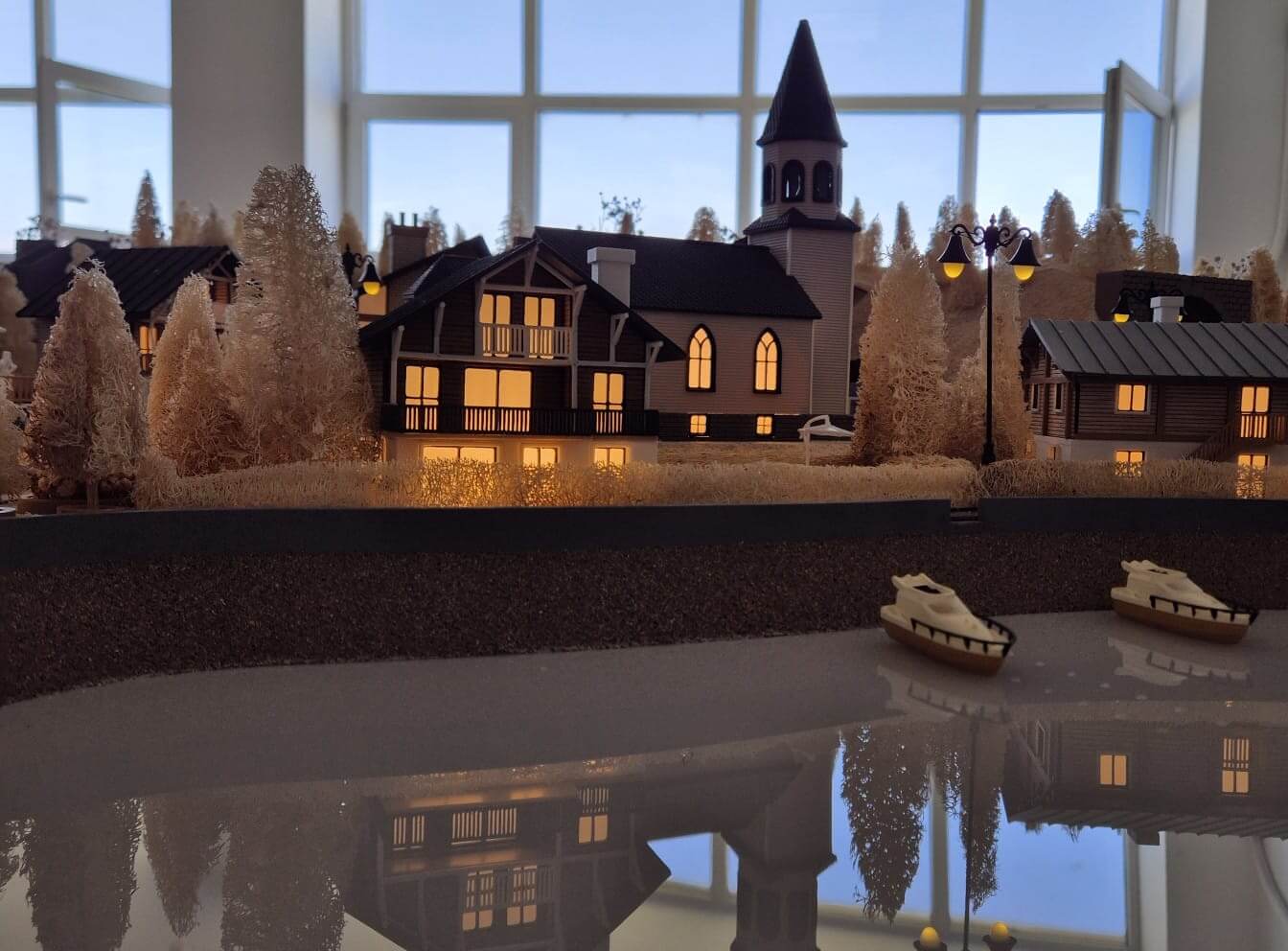
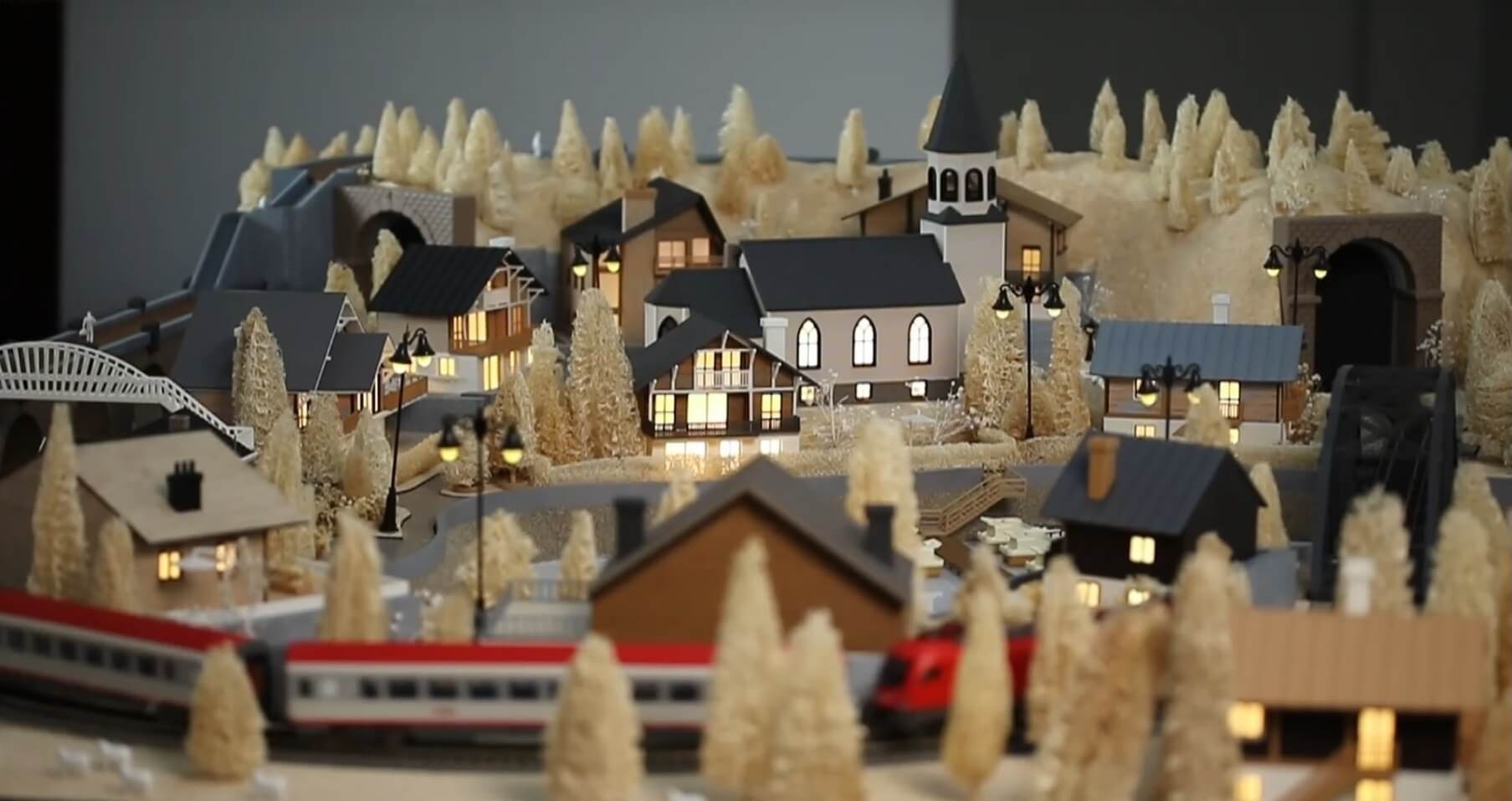
A well-made landscape is the heart of any model railway or diorama. No matter how spectacular the trains, buildings or accessories, what makes a scene seem alive is the way nature is reproduced. The textures, colours and fine details of grass, trees and seasonal vegetation give the diorama depth and emotion.
The viewer no longer sees just a model, they see a moment captured in time. Creating a realistic landscape is not just about applying materials; it is a combination of observation, technique and a great deal of patience.
Static grass and the illusion of natural movement
One of the most effective techniques for achieving a realistic effect is the use of static grass. Unlike the old methods with coloured sponge dust, static grass blades are fine fibres that, through an electrostatic process, stand upright, perfectly imitating natural grass. The effect is spectacular: a field with subtle variations in height and colour, which comes to life under the light.
Applying static grass is not complicated, but it does take some practice.
The base must be prepared with a thin layer of adhesive, and the electrostatic applicator causes the fibers to rise and fix in an upright position. The trick is to mix several shades of green, yellow and brown to avoid uniformity. In nature, grass does not have a single color, but a mosaic of tones and textures, and reproducing this mixture gives life to the scene.
For wilder areas, longer strands or irregular tufts can be added, which suggest free-growing vegetation. On the other hand, near the tracks or buildings, shorter strands provide a neat look, as in a man-made area. Another detail that makes the difference is the natural transition between the grass and other materials like gravel, dirt or rock. The transition should be gradual, not abrupt, to maintain the credibility of the scene.
Lighting also plays an important role. Static grass, combined with warm or natural light, creates subtle reflections and delicate shadows, emphasizing the depth of the terrain. If the diorama also has a smart lighting system, you can simulate different times of day: morning with a golden hue, bright afternoon or sunset with orange tones – each completely transforming the atmosphere.
Trees and seasonal effects: life, color and change
No landscape is complete without trees. They are not just decorations, but elements that define the space and give proportion to the scene. Creating them can be a rewarding process. The branches can be formed from twisted wire, then glued with glue and covered with fine materials such as shredded foam or colored sponge. Alternatively, many modelers use natural reinforcements, dry roots or twigs that, by their shape and texture, already resemble miniature trees.
What makes the difference, however, is how the trees are integrated into the landscape. A single type of tree, repeated mechanically, will look artificial. The mix of shapes, heights and colours creates a convincing forest or roadside. In addition, the orientation of the trees should follow the logic of nature – some slightly tilted, others with a richer crown on one side, depending on the prevailing wind or exposure to the sun.
Seasonal effects bring an additional layer of realism and expressiveness. A summer diorama, with intense green and rich vegetation, conveys vitality. In contrast, an autumn scene, with copper, yellow and reddish leaves, evokes melancholy and the passage of time. Autumn colours can be achieved by lightly spraying a layer of acrylic paint over existing foliage, and fallen leaves can be created from dried and ground natural leaves.
For winter, a layer of artificial snow adds a special charm, especially when combined with discreet reflections of cold light. Fine powders specially designed for model making can be applied over a thin layer of adhesive, and the result is realistic snow, with texture and volume. A combination of glossy (ice) and matte (snow) surfaces provides contrast and authenticity.
In addition to the visual aspect, seasonal effects can also suggest a story.
A tree with bare branches next to a cabin with smoke coming out of the chimney, a meadow flooded with flowers in spring or a forest gradually changing colors in autumn, all convey a state of mind, a moment in a natural cycle. The diorama thus becomes not just a model, but a living scene, in which the viewer feels that time is flowing.
Realism is not measured only in technical perfection, but in the emotion that the scene evokes. And to get there, the key is careful observation of the real world. Watching how the grass looks after the rain, how the leaves change color in autumn, or how the snow settles on the roofs, all these details, transposed to a small scale, transform a diorama into a window onto a miniature world that seems alive.