
Realistic diorama lighting

Realistic diorama lighting – hidden LEDs, color temperature, and Smart Control
Building a realistic diorama doesn’t stop at details like terrain textures, miniatures, or scene composition. In fact, one of the most important, yet often overlooked, components is lighting. Light has the power to completely transform a static scene into one that feels alive, dynamic, and believable.
Whether it’s a battle scene, a nighttime cityscape, or a forest bathed in morning light, the right lighting can make the difference between a beautiful model and a memorable one. In recent years, LED technology and intelligent control systems have opened up new possibilities for diorama enthusiasts, enabling the creation of amazingly realistic renderings of natural and artificial light.
Hidden LEDs: the magic of invisible light
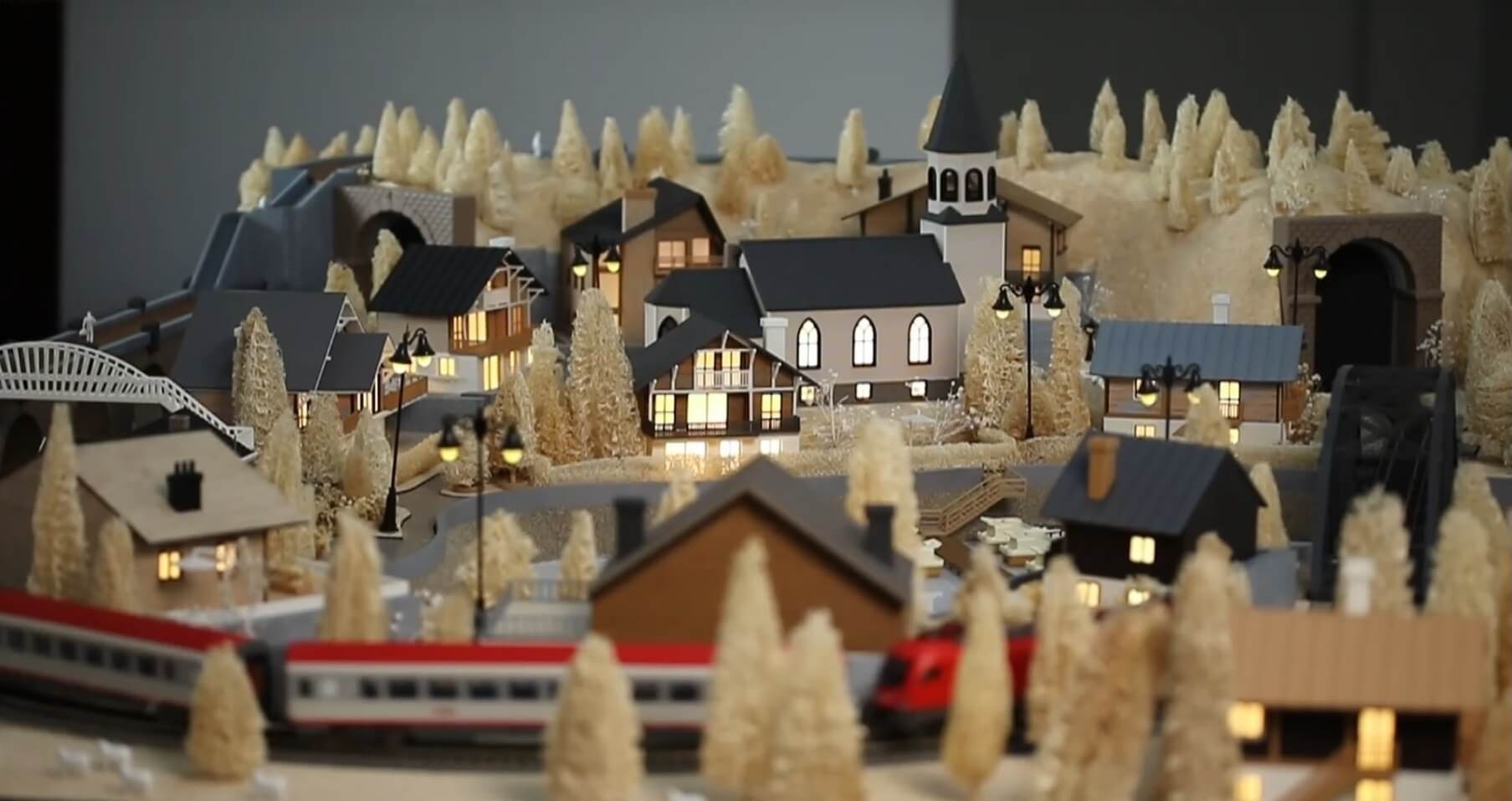
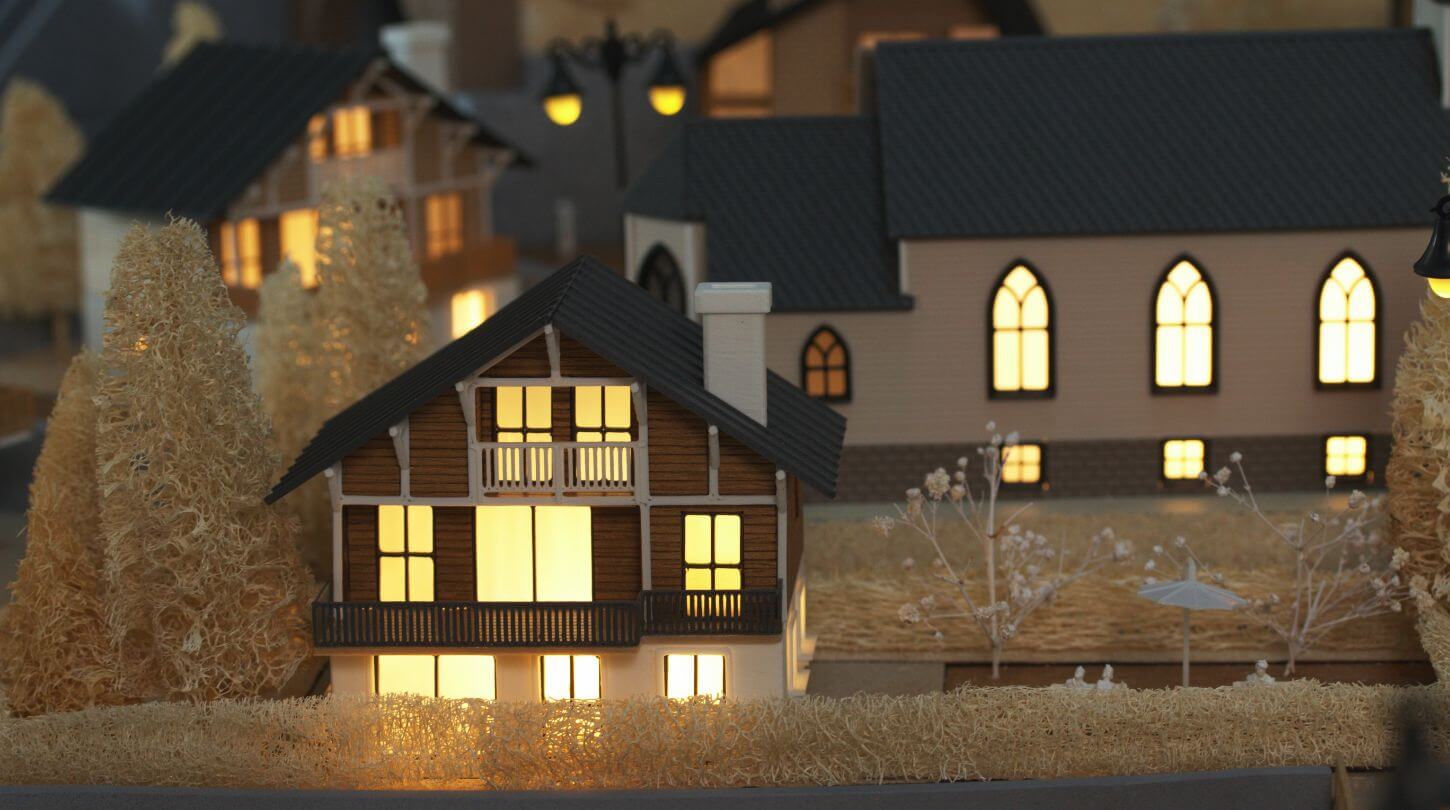
The first step to realistic lighting is understanding how light should interact with the scene. In reality, we don’t see light sources everywhere; they are often hidden, reflected, or diffused. That’s why hidden LEDs are the key to convincing lighting in dioramas.
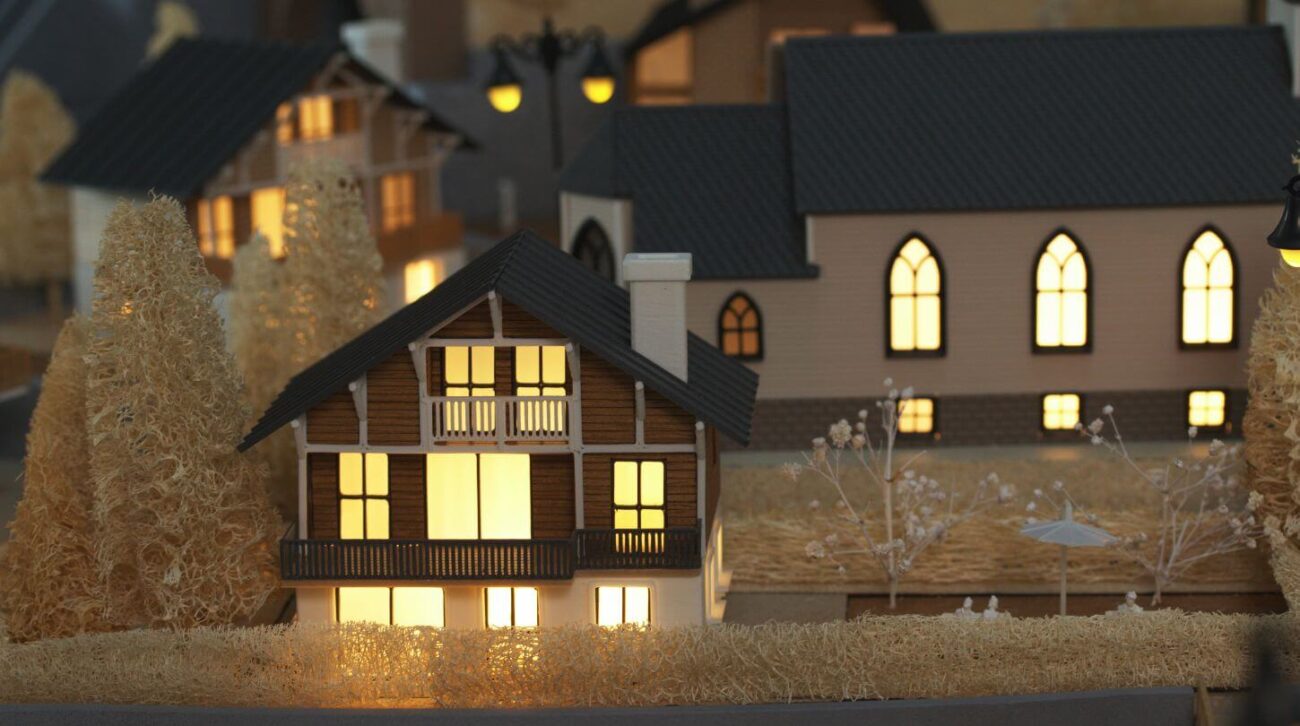
Modern LEDs are small, efficient and easy to hide in structures, walls or even under layers of translucent material. You can hide a small warm LED inside a lantern, under a roof or even behind a window, and the effect will be natural, without the viewer seeing the light source. This technique creates a subtle balance between light and shadow, adding depth to the scene.
In addition, LEDs come in various forms, from flexible strips to point modules or micro-LEDs, which makes them ideal for hard-to-reach areas.
They can even be integrated into vehicles, to simulate headlights, taillights or reflections on the road. Another major advantage is their energy efficiency and long lifespan. Once installed, LEDs do not require frequent maintenance and the risk of overheating is minimal, an essential aspect especially for dioramas that are closed or made of sensitive materials.
The secret is discretion: the light should be there, but not draw attention to itself. When LEDs are well hidden, they become an organic part of the setting, and the scene takes on an authentic, almost cinematic feel.
Color temperature and smart control: realism on another level
If hiding the light sources is an essential step, choosing the right color temperature is what brings the scene to life. The color temperature, measured in Kelvin (K), defines the tone of the light: a warm light (around 2700K) has yellow or orange tones, perfect for interiors or sunsets, while a cool light (5000K–6500K) suggests daylight or a moonlit night.
For example, in a diorama that reproduces an old street illuminated by lanterns, warm light will provide a nostalgic-romantic atmosphere. In contrast, in a sci-fi or industrial scene, a cool or neutral light will accentuate the metal, reflections, and feel of technology. Many enthusiasts also experiment with mixing multiple color temperatures, a subtle combination of warm and cool tones that creates contrast and adds visual complexity.
This is where smart lighting control comes in, one of the most exciting innovations in the field. Modern lighting systems allow you to adjust the intensity and color directly from your phone, tablet, or computer. By connecting to a Wi-Fi or Bluetooth network, you can adjust the light according to the time of day, the desired mood, or even ambient music. This flexibility allows you to completely change the atmosphere of your diorama without physically altering the installation.
For example, you can create a slow transition from the cool light of morning to the warm light of sunset, simulating the passage of time. Or you can add dynamic effects, such as the intermittent blinking of a neon sign or lightning in a storm. With the help of microcontrollers like Arduino or smart home systems, enthusiasts can program complex lighting sequences, perfectly synchronized with sounds or movements.
Intelligent control not only enhances realism, but also brings an interactive dimension. Viewers can become part of the experience, changing the light and watching how the scene transforms before their eyes.
Light as a silent storyteller
Ultimately, realistic lighting of a diorama is not just a technical matter, but also an artistic one. Light becomes a character in itself: it suggests emotions, directs the gaze and gives meaning to every detail. Whether you choose a warm and soft light for a romantic scene or a cold and harsh light for a tense atmosphere, it will tell your story better than any other element.
By combining hidden LEDs, precise color temperature control and smart technologies, diorama enthusiasts can achieve stunning, cinema-like results. In the end, it’s not just about making light, but about giving life to a miniature world, one that breathes, pulsates and makes you forget for a moment that everything is just a model.