DIY custom buildings for your model railway layout

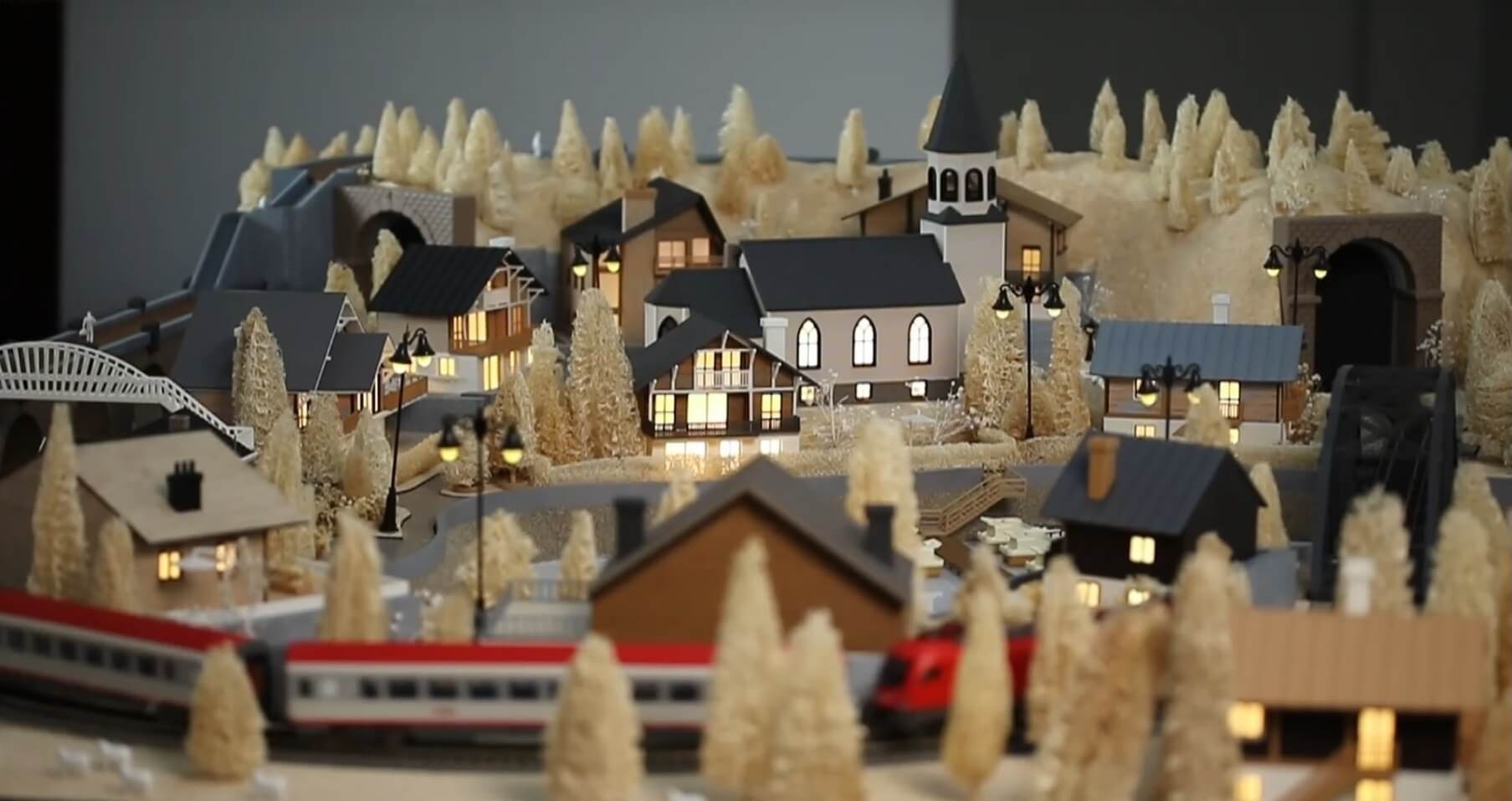
A realistic model railway is more than just trains moving on tracks. It is a miniature world that comes to life through landscapes, people, vehicles and, most importantly, buildings. Houses, stations, warehouses and shops define the atmosphere and tell the story of the place. That is why more and more enthusiasts are choosing to build their own personalized buildings instead of just using commercial kits.
Making your own constructions not only adds a touch of authenticity to the model, but it is also an extraordinarily satisfying creative experience. In a DIY (Do It Yourself) project, you are the architect, engineer and artist at the same time.
From idea to plan: how a miniature building takes shape
It all starts with an idea. Maybe you want to recreate the train station in your hometown, a small mountain inn or an industrial workshop from the 1950s. Regardless of your choice, the first step is documentation. Find photos, sketches or plans of the building you want to reproduce. If there is no real source, you can create an original design inspired by the architecture of a certain period.
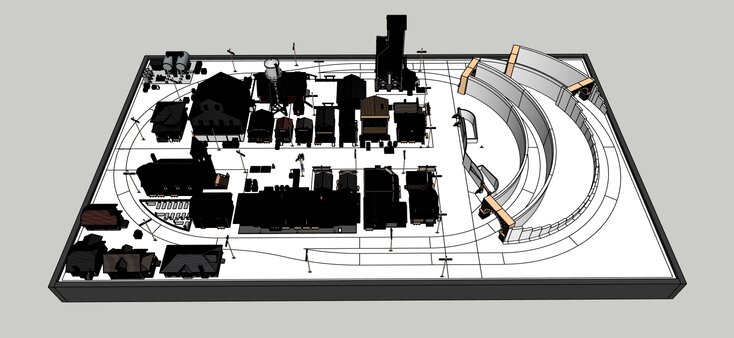
The next step is to create a scale plan. Most model railroads use scales such as HO (1:87) or N (1:160), so all dimensions must be scaled proportionally. A simple drawing on graph paper or a digital 3D model can help you tremendously in establishing proportions.
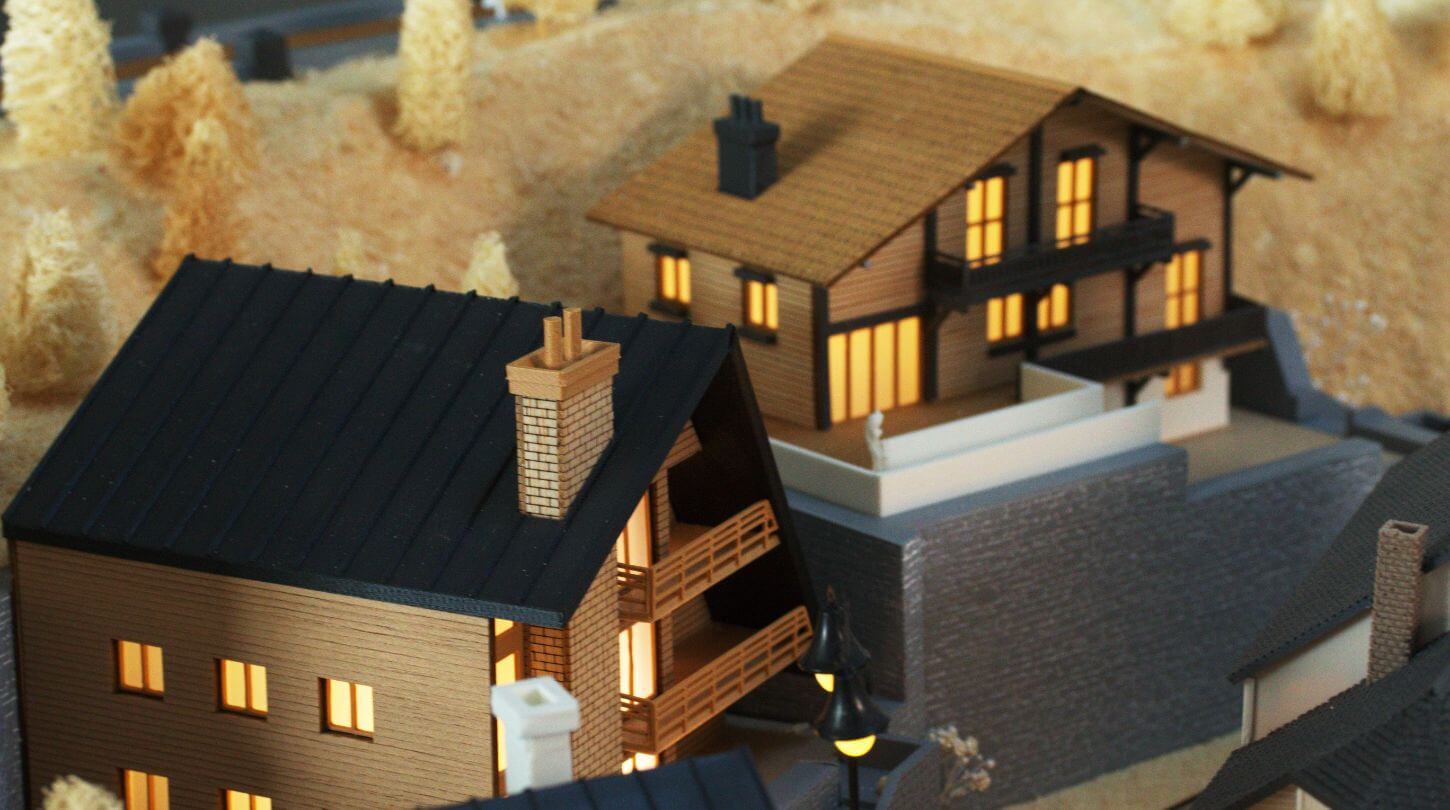
The materials are your choice, and each offers different advantages. Thick cardboard and PVC foam are easy to cut and ideal for beginners. For a more realistic look, they can be combined with thin wood, plastic or even 3D printed parts. With a little patience, you can build textured walls, shingle roofs and even details such as gutters, shutters or old advertisements.
Textures, colors and lighting: realism in detail
Once the structure is ready, comes the part that turns a simple model into a living building: the finish. Textures and colors should be carefully chosen to reflect the style and era of your railway scene.
Using acrylic paints is an excellent choice because they are easy to apply and can be mixed to achieve subtle shades. For brick walls, for example, a reddish base over which you apply a light gray wash will highlight the mortar. For wood, a dry brush with lighter tones imitates the effect of wear and sun exposure.
Controlled aging, known as “weathering,” is an essential step. A building that is too clean looks unreal. A dash of black pigment around the windows, a rusty stain on a gutter or traces of dust at the base of the walls adds credibility. It’s fascinating how these tiny imperfections can make a scene seem alive.
And of course, no realistic building is complete without lighting. A simple LED mounted inside can completely transform the atmosphere. You can create various effects: a warm light for an inhabited apartment, a cool white light for an office or a flashing light for an old company. Hiding the wires in the wall structure or under the base keeps the look clean and tidy.
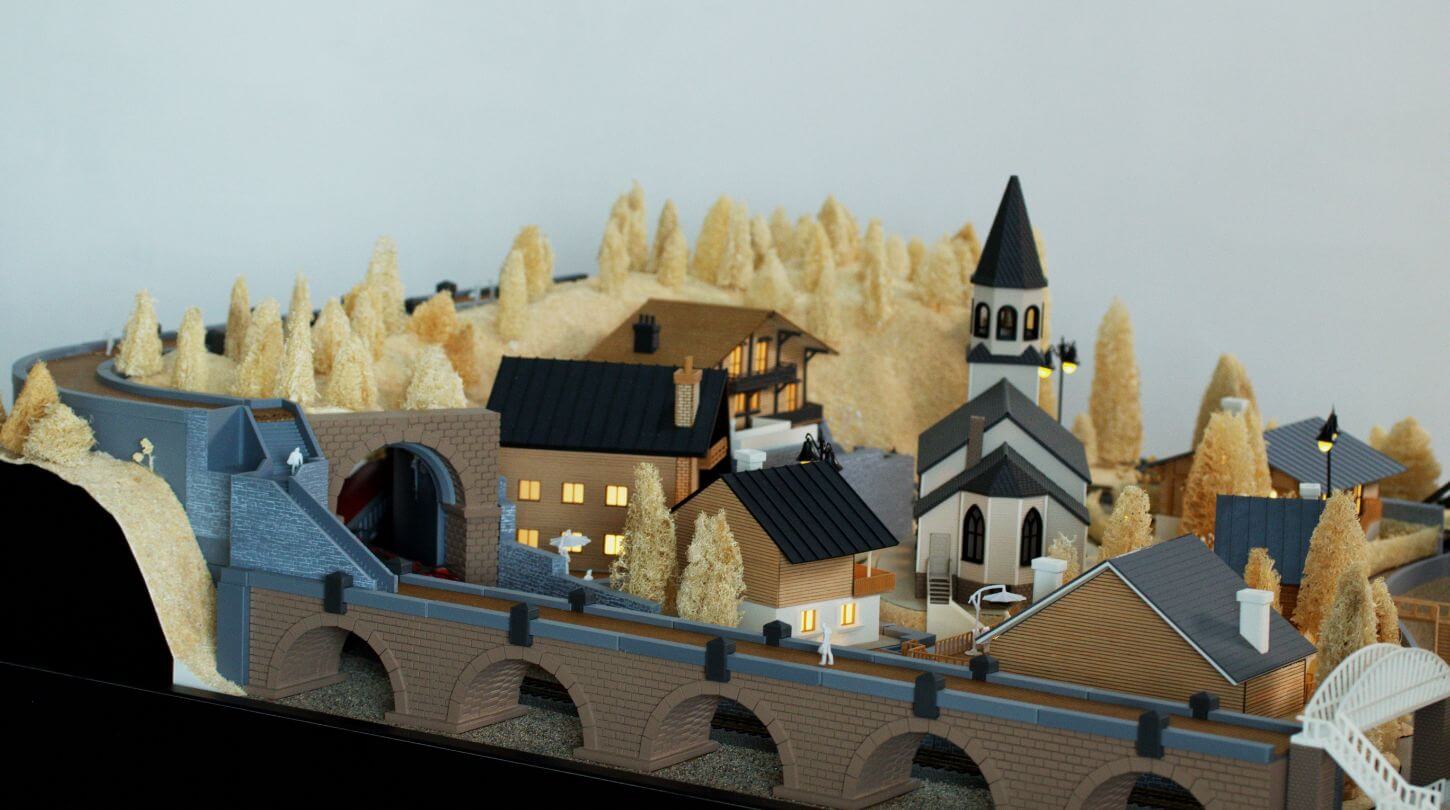
Customization that tells a story
What makes a hand-built building special is its story. Maybe it’s a small café by the station, where travelers wait for their train. Maybe it’s an abandoned factory, a communist block of flats or a country house full of flowers in the window. Each building adds a fragment of narrative to your railway landscape.
Don’t be afraid to improvise or mix styles. Sometimes, it’s the little “mistakes” that add personality. A slightly cracked plaster, a hastily repaired roof, or a faded sign say more about the history of a place than a perfect building.
As it takes shape, the entire model begins to transform into a small, coherent universe. The trains no longer seem like just models moving on rails, but become part of a complete ecosystem, where every house, lamp, and sidewalk has a purpose.
For many enthusiasts, building these buildings becomes a relaxing and deeply satisfying process. It’s a combination of art, craft, and visual storytelling. And perhaps the best part is that once you’ve learned the basics, there are no limits. You can create entire villages, complex train stations, or futuristic cities, all modeled exactly as you imagine them.
DIY is not just about saving or adapting, but about the freedom to express your creativity. A realistic model railway is more than just trains moving on tracks. It is a miniature world that comes to life through landscapes, people, vehicles and, most importantly, buildings. Houses, stations, warehouses and shops define the atmosphere and tell the story of the place.
Ready to bring your own miniature world to life?
Explore our custom railroad models and discover how craftsmanship meets precision.