3D printing in model railroading

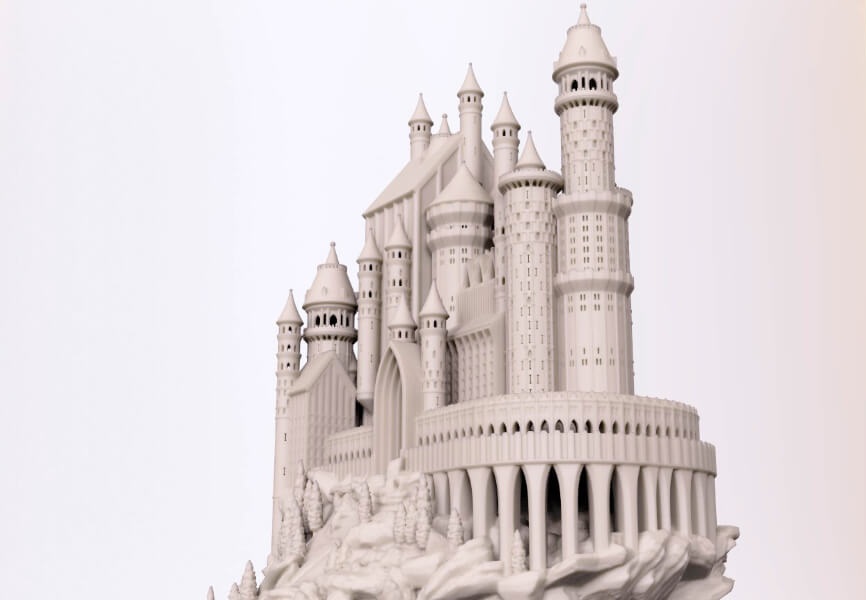
Model railways have always been an art of detail. Train and miniature landscape enthusiasts are always looking for new ways to customize their models, and 3D printing has become one of the most fascinating tools available. This technology allows modelers to create unique pieces, repair rare components, and turn abstract ideas into tangible objects. However, not every element of a model is worth printing at home, and sometimes buying industrial-quality parts is the wiser choice.
- When 3D printing becomes part of the creation
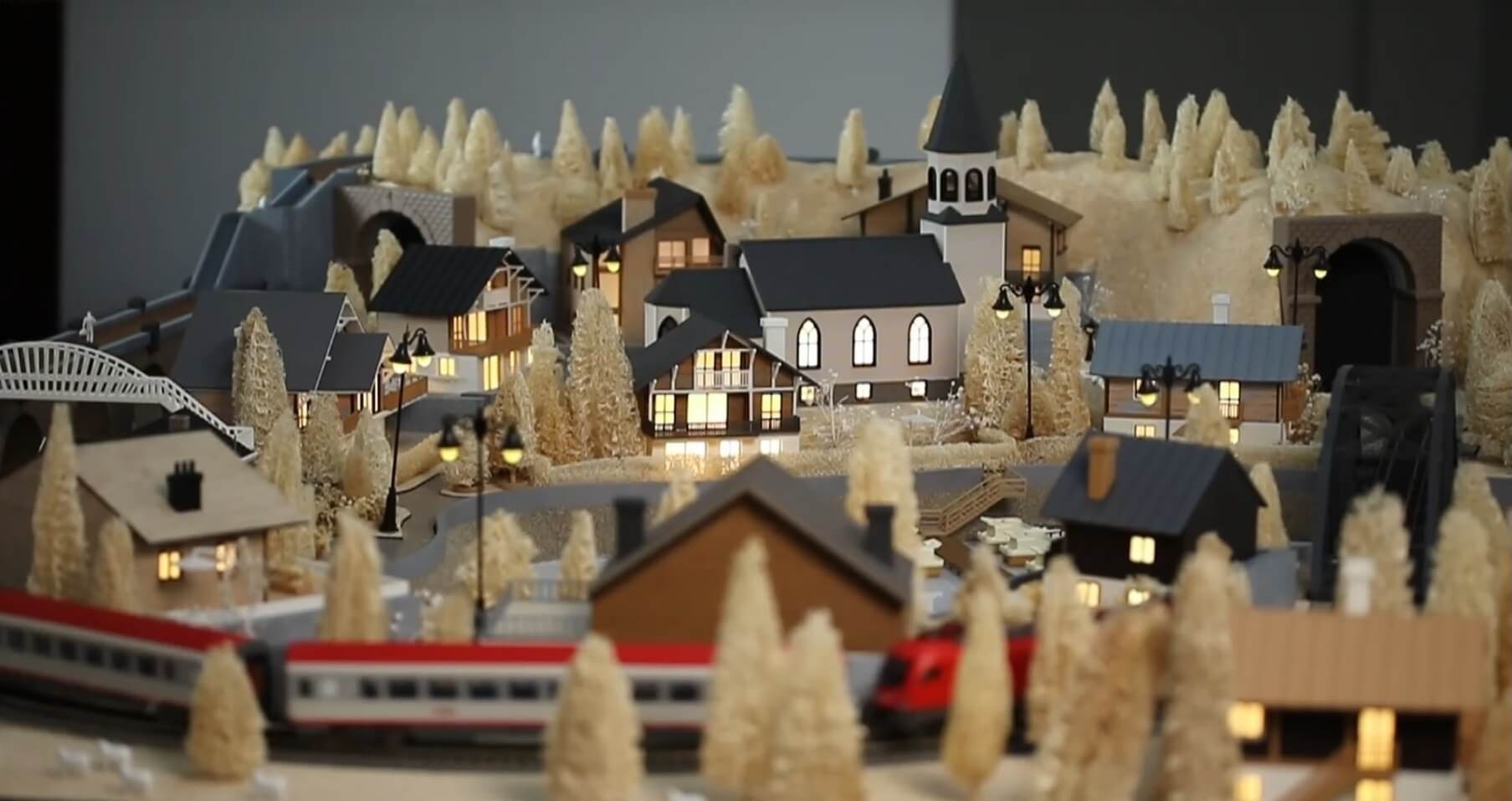
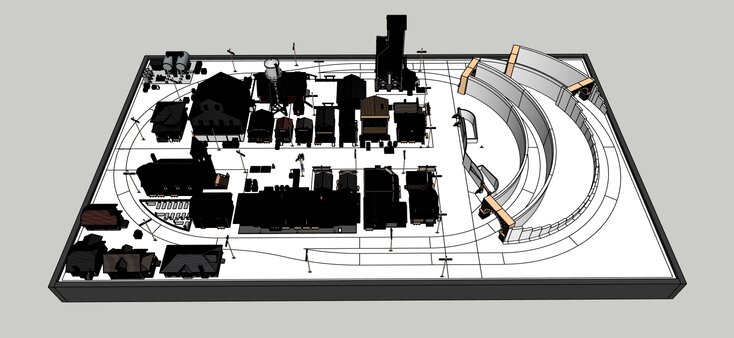
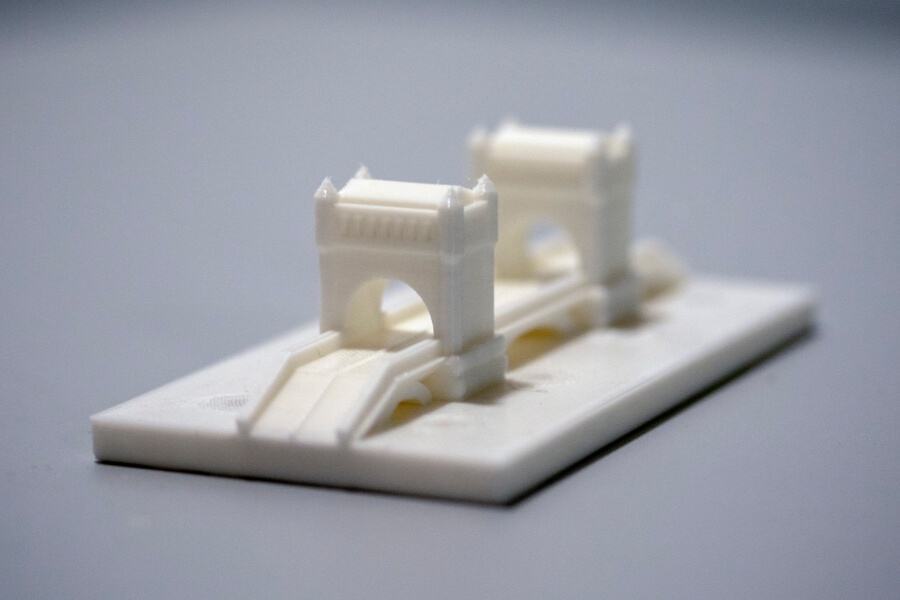
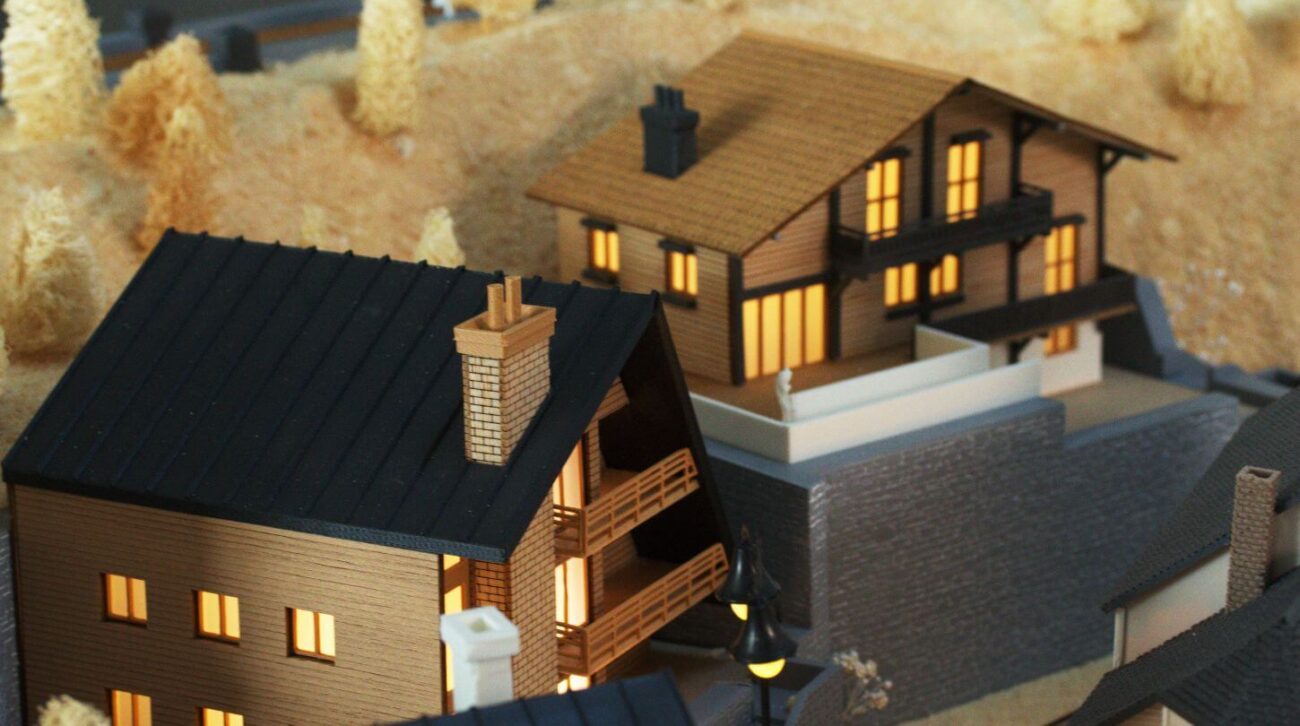
3D printing especially shines when it comes to customization. You can build buildings that do not exist commercially, unique decorations, or architectural details specific to a certain era. For example, if you want to reproduce an early 20th-century rural station or an abandoned factory, printing gives you total design freedom.
You can model walls, windows, roofs, and even tiny decorative elements, all perfectly adapted to your scale. This way, your diorama won’t look like any other store-bought diorama, but will have your own personal touch.
Another advantage is the flexibility of printing. You can change the dimensions of a model depending on the space on the model, you can experiment with shapes and proportions, and once the file is ready, you can reprint it whenever you need additional copies.
3D printing is also great for small decorative pieces – benches, poles, panels, containers, lanterns or street furniture. They are small things, but extremely important for the realism of a model. You can produce them quickly, at low cost, and customize them down to the smallest detail.
The materials used for printing also open up various possibilities. Resin offers fine and smooth details, perfect for figurines or small parts, while PLA or ABS filament is ideal for larger, resistant and easy-to-paint structures.
Once printed, the parts can be finished by sanding and painting, offering stunning results when integrated into the landscape. The greatest satisfaction comes from the fact that each printed part carries a part of your creativity and patience.
- When is it worth choosing ready-made parts
There are also limits to this technology, especially when it comes to mechanical parts or precision elements. Trains, wheels, chassis and motorized systems are components that require materials and tolerances that are difficult to achieve on a hobby printer.
These parts must be perfectly aligned, resistant and withstand movement, vibration and friction. In these cases, commercial solutions offer consistent quality, tested materials and reliable operation. Trying to reproduce them at home could mean more time and money lost than saved.
The same rule applies to electrical and electronic components. Motors, metal wheels, contacts, and DCC systems require precision and conductivity that 3D printing cannot provide. In these situations, it is best to buy reliable, pre-calibrated parts and use printing only for housings, aesthetic elements, or supports.
Another aspect to consider is time. Although 3D printing seems fast, the entire process involves digital modeling, printing, cleaning, assembly, and finishing. For a one-off piece, this effort is well worth it, but for standard components like window sets, fences, or repetitive structures, it may be easier to purchase them. Sometimes, buying a ready-made kit leaves you more time for the artistic part: painting, landscape integration, and detailing.
What really matters is the balance between creativity and efficiency
3D printing gives you the freedom to build what you can’t find in stores, bring your ideas to life, and customize down to the smallest detail. At the same time, purchased parts offer reliability and consistent quality where technical precision is essential. The two approaches are not mutually exclusive, but complementary. You can combine a fully functional commercial locomotive with scenery and buildings created by you, resulting in a model that is both realistic and unique.
Ultimately, 3D printing is not just a method of making parts, but a new form of expression in model railways. It allows you to transform a hobby into a personal art, to experiment and create without limits.
Each part you print and integrate into your diorama tells your story: a station you designed, an old warehouse, an industrial bridge that doesn’t exist anywhere else. And when your train passes by, you’ll know that that miniature world exists thanks to your imagination and the technology that made it possible.
Ready to bring your own miniature world to life?
Explore our custom railroad models and discover how craftsmanship meets precision.