HO Scale Model Railroad Layout Design Guide

HO scale is widely considered the most popular choice in model railroading due to its balance between detail and space efficiency. It allows builders to create highly realistic environments while maintaining a manageable layout size, making it ideal for both hobbyists and advanced projects.
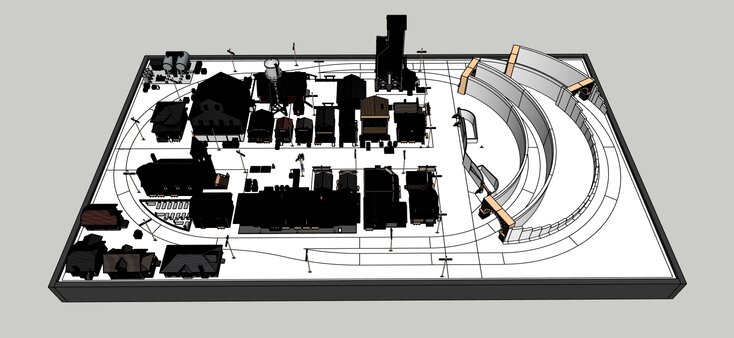
Designing a HO scale model railroad layout begins with defining the available space and the intended function of the railway system. Some layouts focus on continuous running, while others emphasize switching operations and realistic train movement. Track planning is essential, as it determines how trains will interact with the environment.
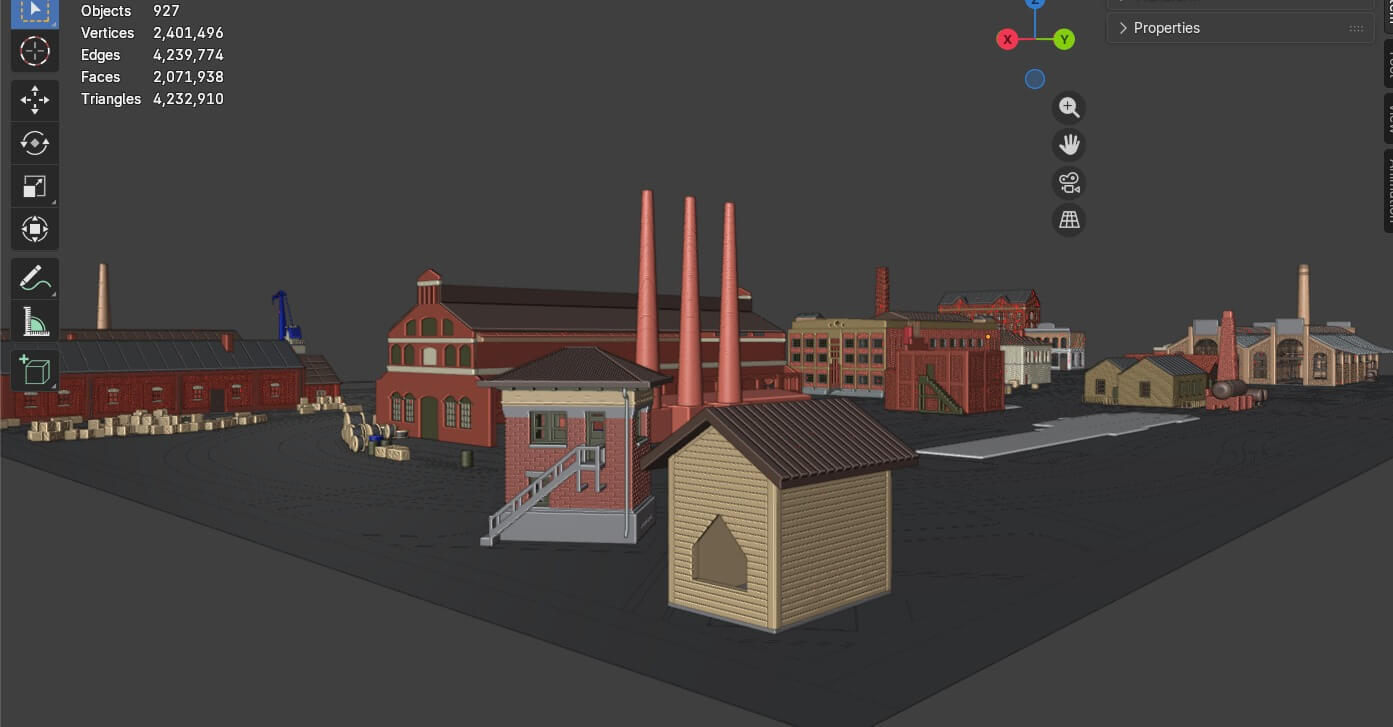
A well-designed layout also integrates scenery from the early stages. Terrain, structures, and infrastructure should complement the railway rather than feel like separate elements. This is especially important in larger or more complex layouts, where consistency and flow play a major role in realism.
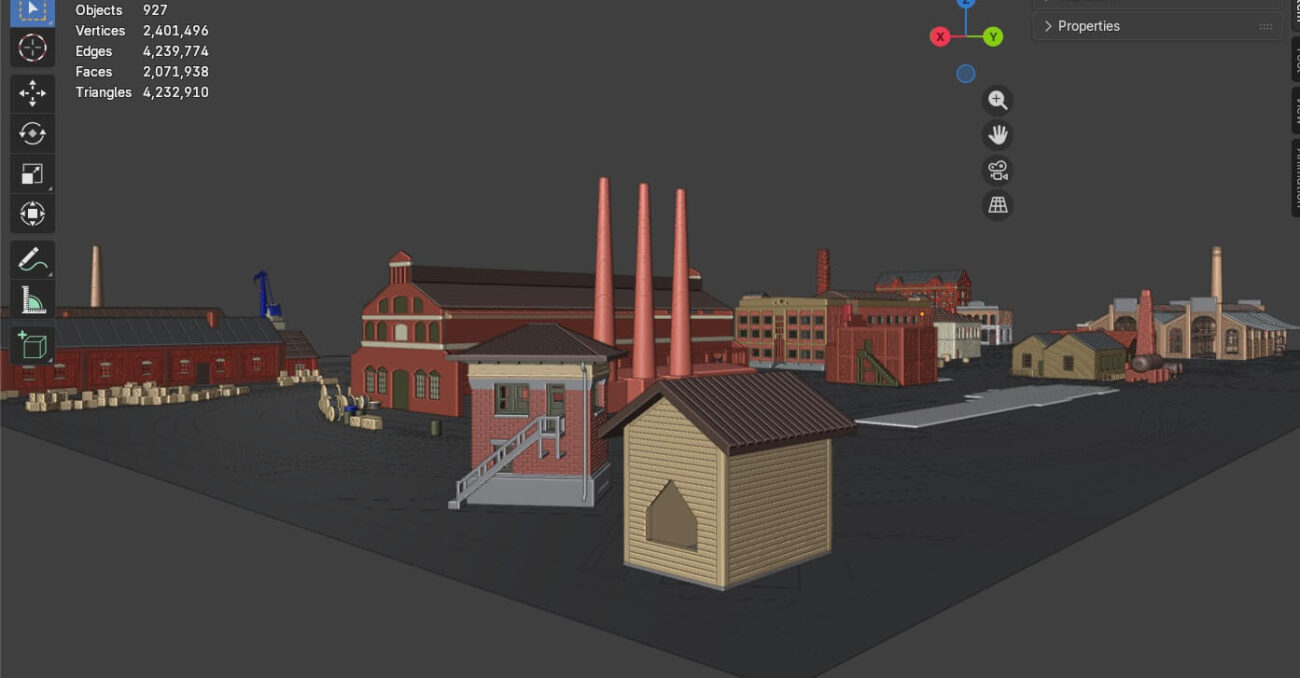
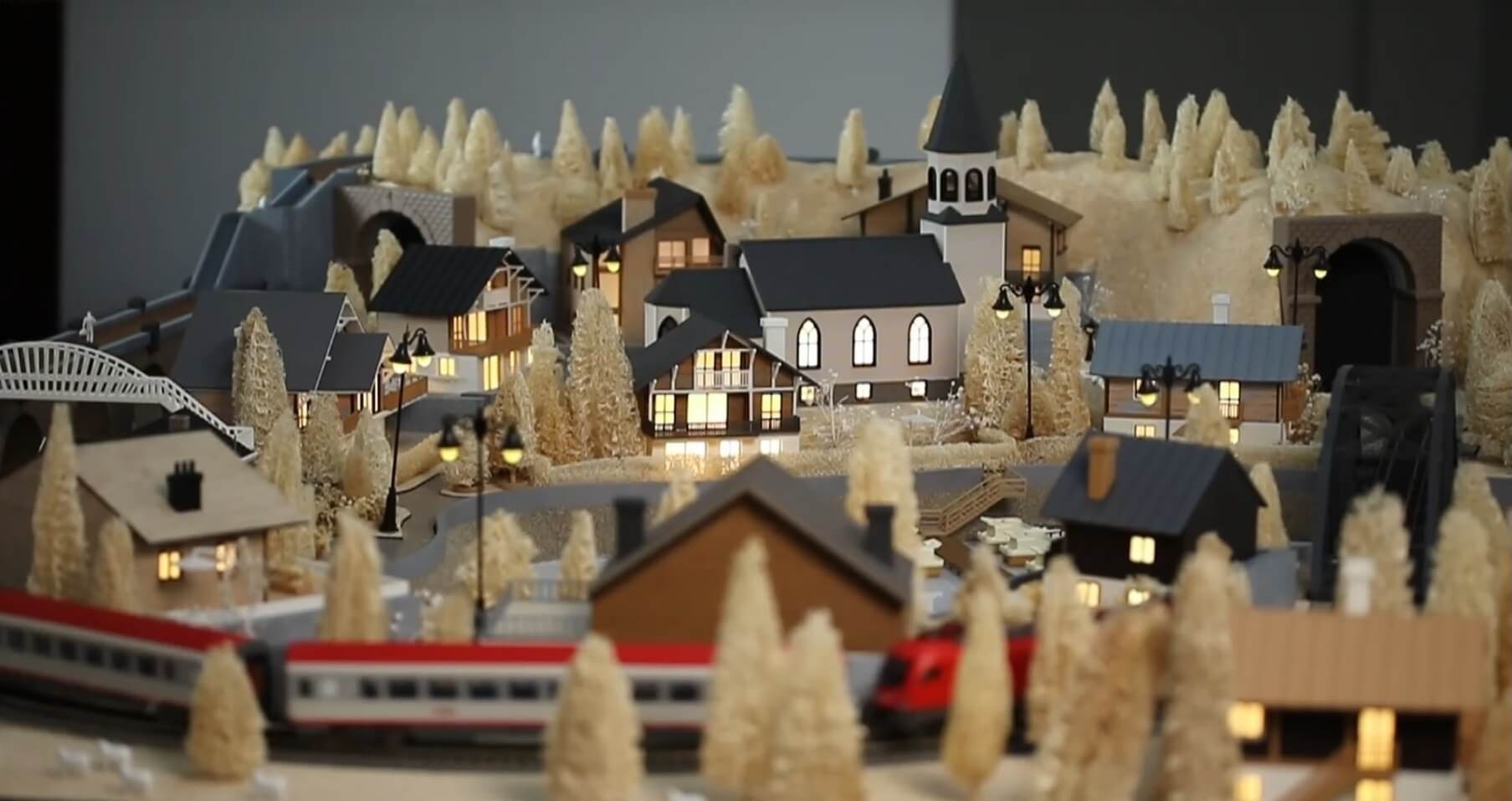
Modern builders are increasingly moving toward layouts that function as complete environments rather than simple train displays. High-end studios now approach model railroading as a form of architectural design, combining structure, motion, and lighting into cohesive miniature worlds. For example, some studios specialize in creating fully assembled HO scale model railroad layouts that are designed as display pieces rather than traditional hobby setups.
As expectations continue to rise, HO scale layouts are becoming more refined, with a strong focus on realism, durability, and visual impact. Whether built for personal enjoyment or as collectible pieces, they represent one of the most versatile and rewarding directions in model railroading.
What makes a realistic Model Railroad Layout
Creating a realistic model railroad layout involves more than placing tracks and buildings on a board. It requires a careful balance between design, proportion, and detail, all working together to create a believable miniature world.
One of the most important factors is consistency. The scale of buildings, vehicles, and landscape elements must align perfectly to avoid breaking the illusion. Even small inconsistencies can make a layout feel artificial rather than immersive.
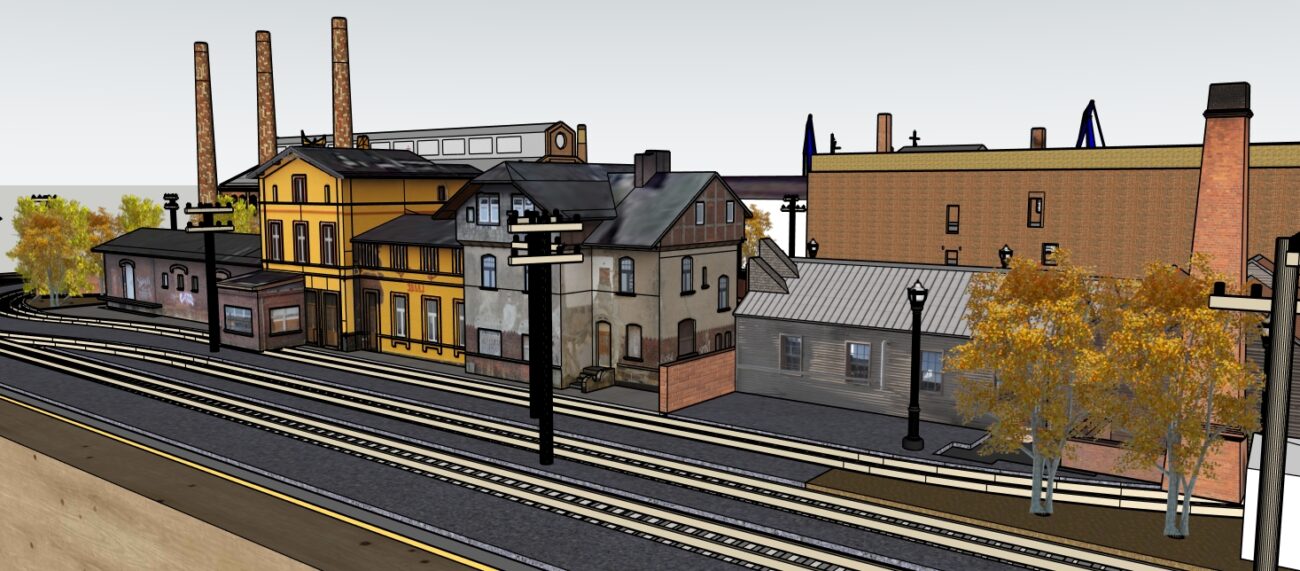
Another key element is layering. Real environments are complex, with multiple visual levels — foreground, midground, and background. Effective layouts use terrain elevation, structures, and vegetation to create depth and perspective, making the scene feel larger than it actually is.
Lighting also plays a crucial role in realism. Integrated lighting inside buildings and along streets can transform a layout, especially in low-light conditions. It adds atmosphere and highlights architectural details that would otherwise go unnoticed.
In recent years, the concept of the model railroad layout has expanded beyond traditional hobby projects. Some creators now approach layouts as fully designed environments, where trains, architecture, and infrastructure are part of a unified system. Studios such as Lokomote focus on building immersive railway worlds that function as both operational systems and refined display pieces.
Ultimately, realism is achieved when all elements — track design, scenery, lighting, and motion — work together seamlessly. The best layouts are those that feel alive, capturing not just the appearance but also the function of real-world railway environments.