
Small Worlds Tokyo

Exploring the Tracks of Small Worlds Tokyo
While Hamburg’s Miniatur Wunderland is often called the “Mecca” of model railroading, Small Worlds Tokyo has emerged as its high-tech rival in the East. For those who live for the click-clack of tracks and the precision of a perfectly timed schedule, this 7,000-square-meter museum offers a unique Japanese take on the hobby.
Here is why every railway enthusiast needs to have this on their radar.
1:80 Scale Precision: The Japanese Standard
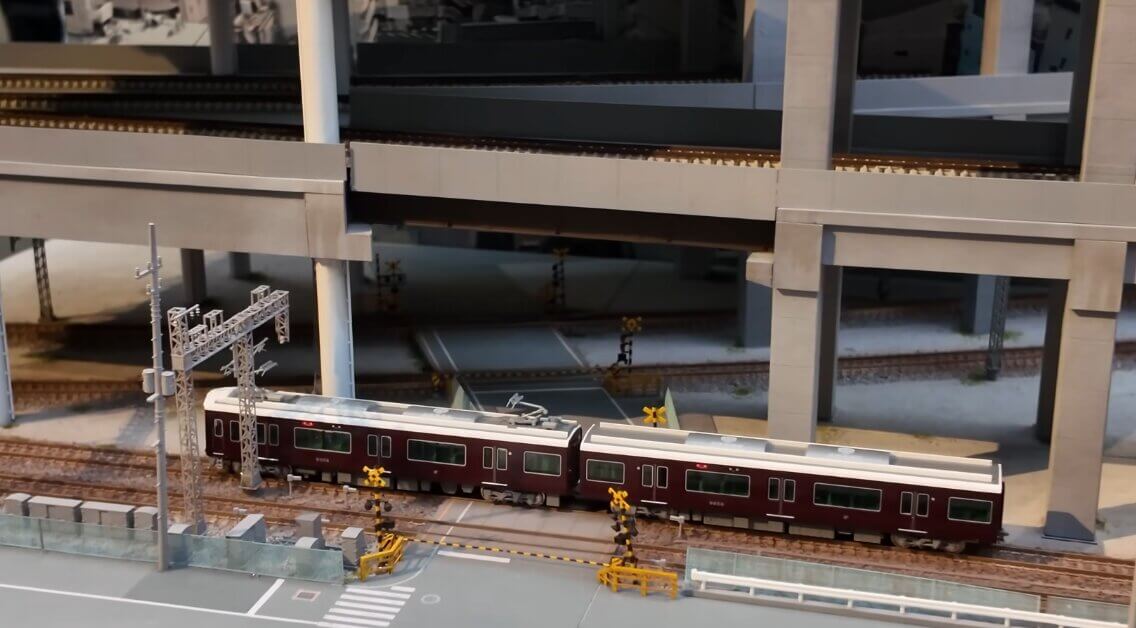
Unlike the N-gauge (1:160) layouts common in many Japanese homes, Small Worlds Tokyo primarily uses the 1:80 scale (HO scale). This allows for an incredible level of detail on the locomotives and rolling stock, from the intricate pantographs of the Shinkansen to the weathered textures of industrial freight cars.
- Tokyo-III: Railroading in the Future
In the Evangelion: Tokyo-III area, you won’t just find traditional trains. This zone features a complex, multi-level transit system designed to mimic a futuristic fortress city.
- The monorail system: Watch as futuristic monorails weave between retractable skyscrapers.
- Transforming Infrastructure: The most mind-blowing feature? When the city enters “emergency mode,” the train tracks and stations physically move and retract along with the buildings—a feat of mechanical engineering rarely seen in any other diorama.
The Global Village: A Journey Through Time and Steam
If you prefer classic railroading, the Global Village is where you’ll spend most of your time. It’s a fusion of European and Asian aesthetics featuring:
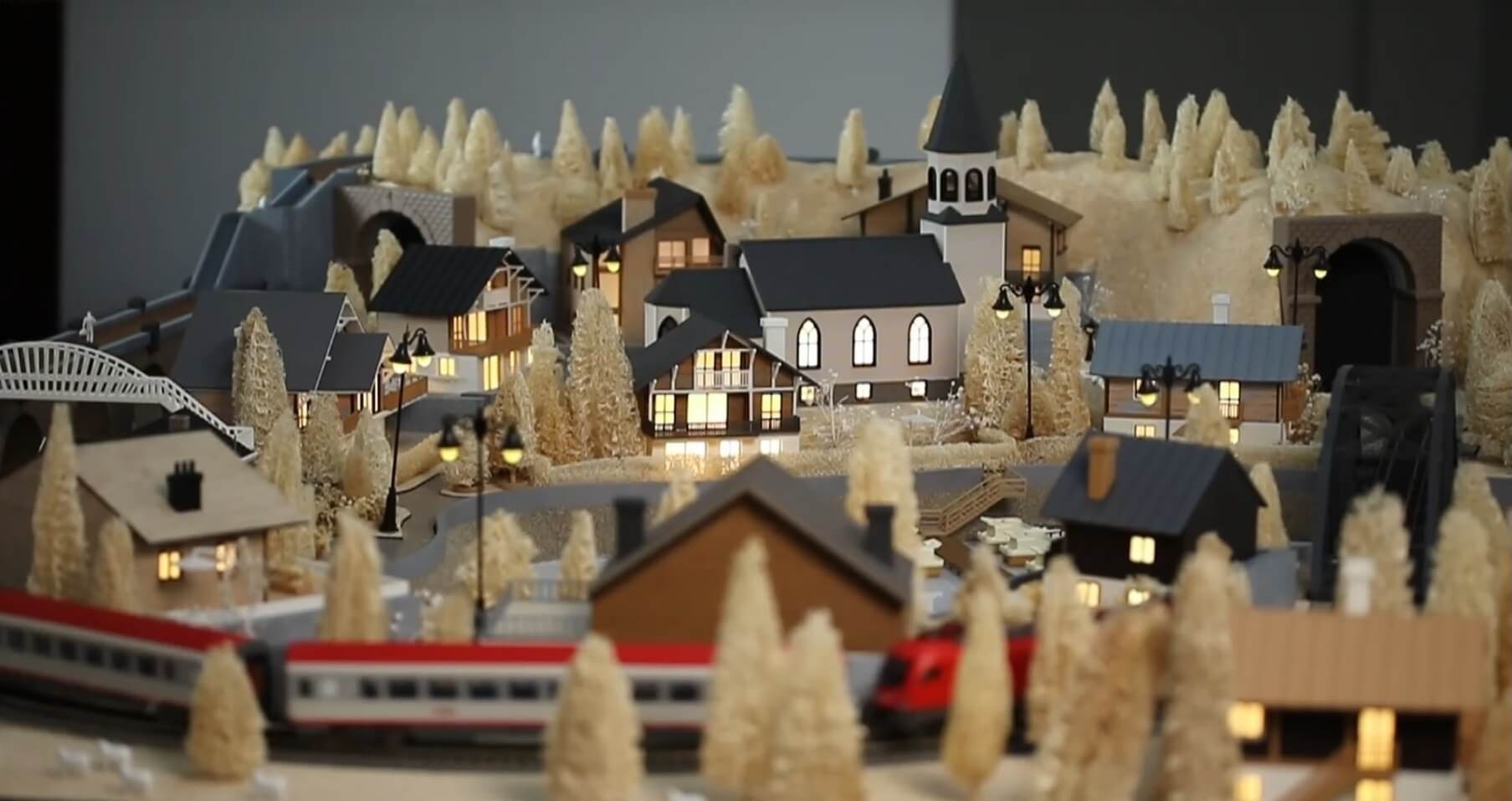
- Alpine climbs: Swiss-inspired trains winding through snow-capped mountains.
- Steampunk & fantasy lines: Specially designed locomotive models that look like they stepped out of a Ghibli movie, running through coal-mining towns and mystical landscapes.
- Hong Kong night express: A neon-lit, dense urban environment where trams and trains navigate tight corners and crowded markets.
The Kansai Airport (KIX) Connection
No great miniature layout is complete without a logistics hub. The KIX Area features a massive railway terminal that feeds into the airport. You can watch the seamless synchronization between the train arrivals and the aircraft takeoff schedules. The lighting transitions from a golden hour sunset to a deep blue night, with every train window and signal light glowing with surgical precision.
Behind the Scenes: The “Cityscape Studio”
For the serious modelers, the museum includes a Maintenance & Workshop area. Here, you can actually see the artisans at work, repairing locomotives or 3D-printing new scenery. It’s a rare look at the “hidden side” of a professional-grade layout, showing the sensors, magnets, and DCC (Digital Command Control) systems that keep the world moving.
Tech Specs for Hobbyists:
- Primary Scale: 1:80 (HO).
Control System: Fully automated digital control with synchronized sound and lighting. Unique Feature: Magnetic induction systems for road vehicles that interact with the rail crossings.
Whether you are a seasoned modeler with miles of track in your basement or just someone who appreciates the art of “the small,” Small Worlds Tokyo is a reminder of why we love this hobby. It’s not just about the plastic and the motors; it’s about the ability to build a universe where everything works with surgical precision, where rish and history meet the neon glow of the future.
If Miniatur Wunderland is the “soul” of traditional model railroading, Tokyo is its high-tech heartbeat. It proves that even in an age of virtual reality, there is nothing quite as magical as leaning in close to a 1:80 scale Shinkansen and feeling, for a split second, like you’ve been transported across the world.
Next time you’re in Tokyo, leave the giant skyscrapers for a day and go find the tiny ones. You might find that the smallest worlds have the biggest stories to tell.